SMTP Hosting Service Provider – 5 Best SMTP Server Hosts for Email MarketingSMTP Hosting Service Provider – 5 Best SMTP Server Hosts for Email Marketing

Emails help us talk to people online. When we send an email, it travels from one computer to another using something called an SMTP server host. SMTP means Simple Mail Transfer Protocol. It is a rule that helps emails move from your computer to someone else’s. A good SMTP hosting service helps your emails go faster and reach the right people. Some people like to host their own SMTP server, which means they set it up on their own computer. Others use companies that offer the best SMTP server host or cloud-based SMTP server host, so they don’t need to do it themselves.
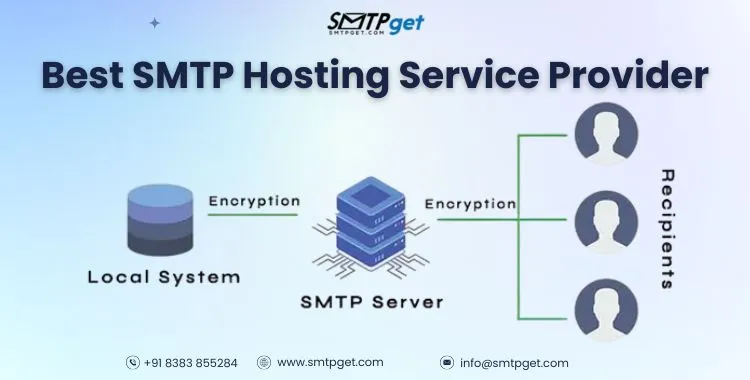
SMTP Hosting Services

If you send a lot of emails like newsletters or updates, you may need bulk SMTP hosting. For private and safe email sending, you can also use a private SMTP server.

In this article, we will explain everything about SMTP server host in simple words so that even beginners can understand. We will also tell you why it is important, how it works, and how to choose the best SMTP hosting service for your needs.

Table of Contents

What is an SMTP Server Host?

SMTP stands for Simple Mail Transfer Protocol. It is a method used to send emails from one server to another. The SMTP server host is the computer or server that uses this protocol to send your emails to their destination.
Think of it like a post office. Just like a post office takes your letter and delivers it to someone else’s mailbox, the SMTP host takes your email and delivers it to the receiver’s inbox.

For example:

  • You send an email from your Gmail.
  • Gmail’s SMTP server hosts your message.
  • It finds the recipient’s email server.
  • It delivers the message to their inbox.

Why is an SMTP Hosting Service Important?

An SMTP hosting service is important because it helps your emails reach inboxes safely and quickly. A trusted SMTP server host ensures better email delivery, especially when sending bulk messages or transactional emails. Whether you use a cloud-based SMTP server host, a hosted SMTP service, or choose to host your own SMTP server, it’s key for reliable email communication.

Businesses that use mail server hosting or need bulk SMTP hosting rely on the best SMTP hosting service for better results. A strong SMTP source host, or a private SMTP server, also helps maintain a high and secure sender reputation.

When you are sending a few emails, you don’t need to worry about this. But if you are:

  • Running a business
  • Sending newsletters
  • Handling bulk email marketing
  • Or sending transactional emails like order confirmations or password resets

Then, using a reliable SMTP hosting service becomes very important.
Without a good SMTP server host, your emails may:

  • Go to spam folders,
  • Not be delivered at all,
  • Or get blocked by other mail servers.

So, choosing the best SMTP hosting service helps you get better delivery rates, track emails, and send bulk emails safely.
Image description
Get special offers!
We help businesses to grow like yours!

How Does an SMTP Host Work?

An SMTP server host helps send emails from your computer to someone else’s inbox. When you write and send an email, the SMTP hosting service takes it, finds where it should go, and delivers it. The SMTP source host is the starting point of the email. You can use a hosted SMTP service, which is easy and managed by a company, or you can host your own SMTP server for full control. A private SMTP server is useful for secure email sending. The best SMTP server host offers fast, safe, and reliable mail server hosting for all your needs.

Here is a simple step-by-step explanation of how an SMTP host works:

  1. You send an email using your email app or website.
  2. The email is passed to your SMTP server host.
  3. This host checks the recipient’s domain (like gmail.com).
  4. It connects with the recipient’s mail server using DNS (Domain Name System).
  5. The email is delivered using the SMTP protocol.
  6. The recipient’s mail server accepts the email.
  7. The email appears in the inbox.

Types of SMTP Server Hosting

There are many ways you can host an SMTP server. Let’s understand the most common types:
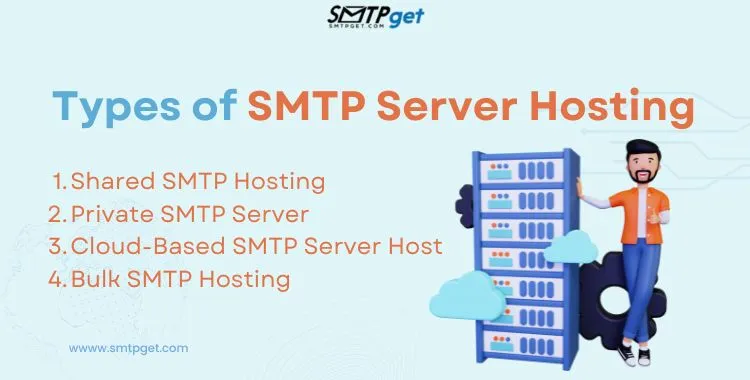
Types of SMTP Server Hosting

1. Shared SMTP Hosting

This is where many users share one SMTP server host. It is cheaper but has limitations like:

  • Limited email volume,
  • Slower sending,
  • Higher chance of emails going to spam.

2. Private SMTP Server

A private SMTP server is dedicated to you. You have full control, and it is good for businesses that need high email deliverability and security.

3. Cloud-Based SMTP Server Host

A cloud-based SMTP host uses the cloud to send emails. These are hosted by companies like Amazon SES, SendGrid, Mailgun, etc. They are:

  • Fast
  • Scalable
  • Reliable

4. Bulk SMTP Hosting

This is designed to send large volumes of emails like newsletters, promotions, or updates. The bulk SMTP hosting services are optimized for speed, delivery, and analytics.

Best 5 SMTP Hosting Service Providers

Choosing the right SMTP hosting service provider is very important if you want to send emails that reach the inbox and not the spam folder. If you want to send marketing emails, transactional emails, or simply need a reliable SMTP server host, here are the best SMTP hosting services to consider:

1. SMTPget

SMTPget is a powerful and easy-to-use SMTP hosting service that helps businesses send bulk and transactional emails. It offers bulk SMTP hosting, high-speed delivery, and strong email tracking. Whether you want to host your own SMTP server or use a hosted SMTP service, SMTPget has flexible plans for all.
SMTPget

Best for:

  • Bulk emails
  • Fast delivery
  • Easy setup
  • Cloud-based SMTP server host options

Our Pricing:

Pricing Cheapest PlanStandard PlanProfessional Plan
SMTP Server Services$110$165$220
Bulk Email Server$50$145$225
Bulk Email Service$30$110$220


View Full Pricing

2. iDealSMTP

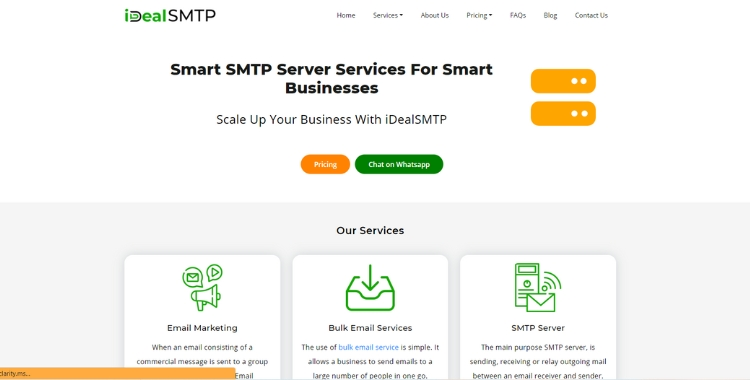
iDealSMTP is known for being one of the best SMTP server hosts with strong security features and high inbox delivery rates. It is great for companies that need a private SMTP server or want full control. It also supports advanced mail server hosting options and comes with easy-to-use tools.
iDealSMTP

Best for:

  • Secure mail server hosting
  • Private SMTP server setups
  • Large email campaigns
  • SMTP host for transactional emails

3. Amazon SES (Simple Email Service)

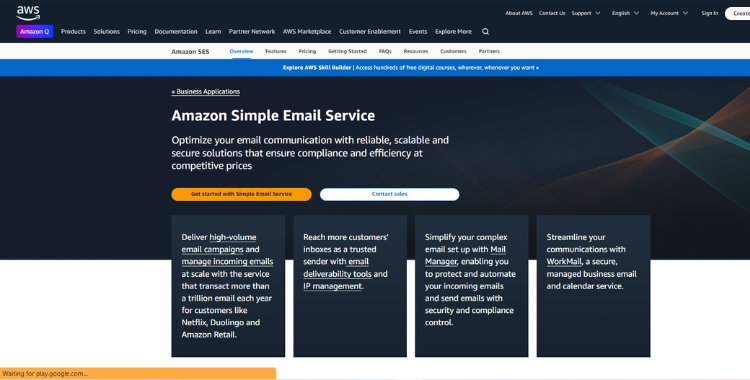
Amazon SES is a popular cloud-based SMTP server host used by developers and large businesses. It is highly scalable, low-cost, and offers excellent performance. It’s perfect for sending transactional emails or using as an SMTP source host for web apps.
Amazon SES

Best for:

  • Developers
  • Scalable cloud hosting
  • API-based email sending
  • SMTP hosting service provider with global reach

4. SendGrid

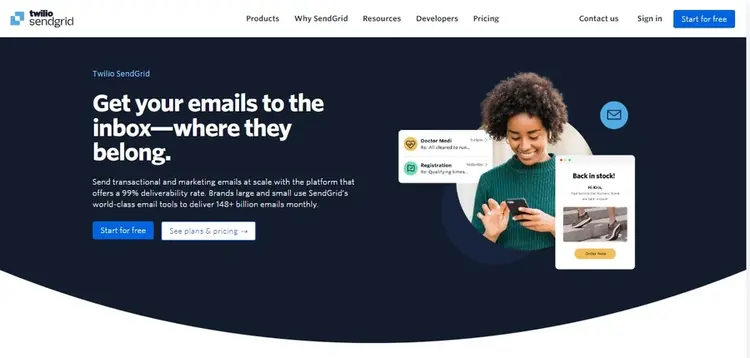
SendGrid is a well-known SMTP hosting service provider used by many big companies. It offers reliable delivery, advanced analytics, and simple integration with websites and apps. You can use it as a hosted SMTP service or integrate it with your system.
SendGrid

Best for:

5. Mailgun

Mailgun is designed for developers and offers powerful tools to send and track emails. It is a great SMTP hosting service for both small and large businesses. It supports bulk SMTP hosting, API access, and works well as a cloud-based SMTP server host.

Best for:

  • API email sending
  • Bulk transactional emails
  • Fast and reliable delivery
  • Custom SMTP server host setups

Each of these SMTP hosting service providers offers different features, so choose one that fits your needs. Whether you want to manage your own SMTP source host, need a private SMTP server, or prefer a ready-to-use hosted SMTP service, these options will help you send emails safely and quickly.

Image description
Get special offers!
We help businesses to grow like yours!

Why Should You Host Your Own SMTP Server?

When you host your own SMTP server, you get full control over email delivery, security, and privacy. Unlike a hosted SMTP service, a private SMTP server offers better customization. It also helps manage your SMTP source host, making it a powerful SMTP hosting service and mail server hosting solution. Choose the best SMTP server host for reliable performance. Some companies and developers choose to host their own SMTP server. Here’s why:

Full Control:

You control everything – who can send, what goes out, and how it is delivered.

Privacy:

If you deal with sensitive data, a private SMTP server keeps it secure and private.

No Third-Party Limits:

No sending limits like commercial SMTP hosting services.

But remember, hosting your own SMTP server also means:

  • You need technical skills,
  • You need to secure it from spam and hackers,
  • You need to maintain it regularly.

When Should You Use a Hosted SMTP Service Instead?

Use a hosted SMTP service when you want easy setup, better email delivery, and no server management. It’s perfect if you don’t want to host your own SMTP server. A trusted SMTP hosting service or SMTP server host offers reliable mail server hosting without handling a private SMTP server or SMTP source host. Choose the best SMTP server host for faster results.
Use a Hosted SMTP Service

Using a SMTP hosting service is better when:

  • You don’t want to manage a server yourself.
  • You want better uptime and support.
  • You need to send a lot of emails quickly.
  • You want analytics and reporting.

Some of the best SMTP server hosts in the market today include:

  1. SMTPget
  2. iDealSMTP
  3. SendGrid
  4. Mailgun
  5. Amazon SES
  6. Postmark

Features to Look for in the Best SMTP Hosting Service

When choosing an SMTP hosting service, check for these features:

  • High Deliverability– Emails should reach inboxes, not spam folders.
  • Scalability– You should be able to send more emails as your business grows.
  • Speed– Especially important for bulk SMTP hosting.
  • Authentication Support– SPF, DKIM, and DMARC records help reduce spam.
  • Analytics– Track opens, clicks, bounces, and more.
  • API Access– Helps developers integrate email sending into their apps.
  • Customer Support– Good support can help you fix issues fast.
  • IP Reputation Management– Dedicated IPs with good reputations improve delivery.

SMTP Host for Transactional Emails

An SMTP host for transactional emails ensures fast and secure delivery of order updates, OTPs, and alerts. Using a reliable SMTP hosting service or hosted SMTP service is better than trying to host your own SMTP server. Choose the best SMTP server host for trusted mail server hosting and a strong SMTP source host. A private SMTP server adds more control and security.

Transactional emails are messages sent after a user performs an action. These include:

  • Order confirmations
  • Password resets
  • Welcome emails
  • Alerts or updates

For such emails, you need a fast and reliable SMTP host for transactional emails. These emails must be delivered instantly and must not go to spam. Some services like Postmark and Amazon SES specialize in SMTP for transactional emails.

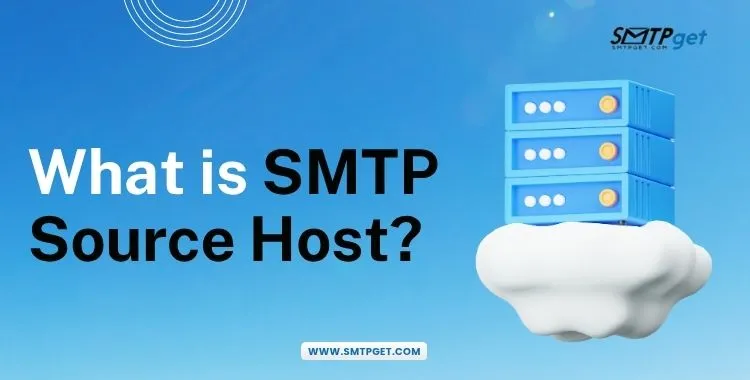
What is SMTP Source Host?

An SMTP source host is the starting point where your email is sent. Whether you use a hosted SMTP service, SMTP hosting service, or host your own SMTP server, the SMTP server host must be trusted. For secure mail server hosting, choose the best SMTP server host or a private SMTP server.

You may come across the term SMTP source host. This is the origin server from where the email is sent. For example, if your email is sent using smtp.yourdomain.com, then that server is the SMTP source host.
SMTP Source Host

Managing the SMTP source host well is important for:

  • Good IP reputation,
  • Avoiding spam filters,
  • Tracking problems.

Benefits of Using a Reliable SMTP Server Host

Using a professional SMTP hosting service has many benefits:

  • Better delivery rates
  • Easy to send bulk email
  • No spam issues
  • Saves time and effort
  • Offers reports and analytics
  • Scalable as your business grows
  • Secure and trusted

How to Set Up an SMTP Server Host? (Basic Guide)

If you want to host your own SMTP server, follow these simple steps:

Step 1: Choose Your Server

Use a VPS or dedicated server from a provider like SMTPget, AWS, iDealSMTP, or Contabo.

Step 2: Install SMTP Software

Use software like:

  • Postfix (Linux)
  • SMTPget
  • Exim
  • Sendmail

Step 3: Configure DNS Records

Add proper:

Step 4: Secure the Server

  • Use SSL/TLS
  • Enable authentication
  • Close unused ports
Image description
Get special offers!
We help businesses to grow like yours!

Step 5: Test Your Setup

Use tools like:

  • MXToolbox
  • SMTPget
  • iDealSMTP
  • Mail Tester

Step 6: Monitor and Maintain

Keep your system updated and monitor email reputation regularly.

Top Use Cases for SMTP Hosting Services

SMTP hosting services help send emails safely and quickly. Whether for marketing, alerts, or business communication, a good SMTP server host ensures your emails reach the inbox.

Email Marketing Campaigns

Transactional Emails

  • Invoices
  • Order updates
  • Signup confirmations

Automated Emails

  • Drip campaigns
  • Follow-ups
  • Reminders

Internal Company Emails

  • HR announcements
  • IT alerts

Conclusion

An SMTP server host is a must-have tool if you want to send professional emails. Whether you choose to host your own SMTP server or go with a cloud-based SMTP server host depends on your needs and technical skills.
If you are just starting, choose the best SMTP hosting service to save time, money, and avoid spam issues. If you have the skills and need more control, a private SMTP server can also be a great option.

Always remember, a good SMTP server host means better email delivery, happier customers, and more business success.


Frequently Asked Questions (FAQs)

Here are some simple answers to common questions about SMTP hosting services and servers.

1. What is an SMTP server host?

An SMTP server host is the server that helps send emails using the SMTP protocol.

2. Can I host my own SMTP server?

Yes, you can host your own SMTP server using a VPS or dedicated server, but it requires technical knowledge.

3. What is the best SMTP hosting service?

Some of the best services are SMTPget, iDealSMTP, SendGrid, and Amazon SES.

4. What is bulk SMTP hosting?

It is a hosting service that allows sending a large number of emails quickly and reliably.

5. What is a cloud-based SMTP server host?

It is an SMTP server hosted on the cloud, which offers better uptime and scalability.

6. What is an SMTP host for transactional emails?

These hosts are optimized to send fast, reliable, and secure emails like confirmations and alerts.

7. What are the benefits of private SMTP servers?

They offer better privacy, control, and avoid third-party limits.

8. What is an SMTP source host?

It refers to the server where the email originally comes from.

9. Is it safe to use an SMTP hosting service?

Yes, most professional services are secure, fast, and reliable.

10. Why do emails go to spam even with SMTP hosting?

It may be due to missing DNS records, poor IP reputation, or bad content in the email.
Related Post
SMTP server for mass email marketing
SMTP Server for Mass Email Marketing- What’s the importance?

Introduction When it comes to email marketing, the ability to send large volumes of emails efficiently and reliably is crucial. Read post

Email Headers Example & Analyzer Bounce & Spam Check Guide
Email Headers Example & Analysis – Bounce & Spam Check Guide

Most people think an email is just a message with a subject and body, but there’s more to it. Every Read post
SMTP Server for Mass Mailing
SMTP Server for Mass Mailing- Improve Deliverability

SMTP Server Mass Email: For businesses and organizations looking to reach a large audience, understanding how to effectively send mass Read post
How to Write A Cold Email
How to Write A Cold Email- Get 100% Reply with 30 30 50 Rule

How To Write A Cold Email is a question many professionals ask today, especially in sales, marketing, or business development. Read post

Most Common SMTP Vulnerabilities and How to Secure Mail ServerMost Common SMTP Vulnerabilities and How to Secure Mail Server

SMTP is the standard for sending email messages across the Internet. But as powerful and universal as it is, SMTP vulnerabilities have become a growing concern. That’s because SMTP was designed at a time when cybercrime was virtually nonexistent. Its creators never envisioned the modern threats we see today, such as spamming, phishing, spoofing, eavesdropping, and brute-force attacks.

SMTP Vulnerabilities and How to Secure Your Server

This lack of built-in security makes SMTP a favorite target for attackers. Whether you manage an email server for your organization or run email campaigns as a marketer, understanding and mitigating SMTP vulnerabilities is crucial to safeguarding your email infrastructure and reputation. Modern tools, like an SMTP vulnerability scanner, can help you detect misconfigurations and weaknesses such as an SMTP relay vulnerability before attackers exploit them.

Image description
Get special offers!
We help businesses to grow like yours!

What is SMTP and Why is it Important?

SMTP, or Simple Mail Transfer Protocol, is the standard protocol for sending emails. It defines how email clients and servers communicate to deliver your message from Point A to Point B.

For example:

  • When you hit “Send” in Gmail or Outlook, your client contacts an SMTP server.
  • The SMTP server then forwards the email to the recipient’s mail server.
  • The recipient’s server delivers the message to their inbox.

Without SMTP, email simply wouldn’t work.

But here’s the catch: SMTP was designed in the early 1980s long before cyberattacks became common. It was created for a trusted, academic community. Security wasn’t a concern then. Today, this makes SMTP inherently vulnerable to security threats, including SMTP relay vulnerabilities and other critical flaws that can compromise your email systems if left unchecked.

Why is SMTP Vulnerable?

SMTP is the backbone of email communication, but it comes with significant security risks. Understanding SMTP vulnerabilities is essential to protect your email systems and maintain your domain’s reputation. SMTP server providers can help to cure from this kind of problem.

Why is SMTP Vulnerable

By default, SMTP has several inherent weaknesses:

  • Transmits messages in plain text, which means emails can be intercepted and read by attackers while in transit. This exposes sensitive information, making data breaches more likely.
  • Does not verify sender addresses, enabling email spoofing. Attackers can forge the “From” address to make it appear as if emails come from a trusted domain.
  • Allows servers to forward emails without strict authentication, known as an SMTP relay vulnerability. Open relays are often abused by spammers to send large volumes of spam or malware, which can lead to your server being blacklisted.
  • Does not limit connection attempts, making brute-force attacks feasible. Attackers can try endless username-password combinations until they gain unauthorized access.

These SMTP vulnerabilities are actively exploited by cybercriminals to send fraudulent emails, distribute malware, and steal confidential information. Without proper configuration and continuous monitoring, your SMTP server can quickly become a liability rather than an asset.

To mitigate these risks, it’s vital to regularly scan your servers using an SMTP vulnerability scanner. These tools help you detect open relays, misconfigurations, and outdated protocols. They can also uncover Post SMTP vulnerabilities, which may arise after installing or misconfiguring plugins or extensions, especially in WordPress environments where “Post SMTP” plugins are commonly used.

In short, ignoring SMTP vulnerabilities can result in financial loss, legal consequences, and severe damage to your email deliverability. Proactively addressing them with the right tools, policies, and monitoring systems will help you secure your email infrastructure and build trust with your recipients.

SMTP Header Injection Vulnerabilities

SMTP header injection is a type of attack where malicious users exploit improperly validated user input to inject additional SMTP headers into an email. This allows attackers to modify email fields (like To, Cc, Bcc, or Subject) or even send unauthorized emails through your application.

For example, if a web form sends emails and doesn’t sanitize user input properly, an attacker can craft input like:

test@example.com%0ABcc: victim@example.com

This appends a Bcc field to the email, sending copies to unintended recipients.

Why it’s dangerous:

  • Attackers can send spam through your server, harming your reputation.
  • Sensitive information may be leaked to unintended recipients.
  • Your application can be abused for phishing campaigns.

How to prevent it:

  • Always validate and sanitize user input in web forms.
  • Disallow line breaks (\r, \n) and other special characters in email-related fields.
  • Use mail libraries or APIs that handle headers securely.

SMTP header injection is a subtle but serious risk, especially for web applications that generate emails dynamically. Testing your forms and scripts for injection vulnerabilities is a crucial part of securing your email infrastructure.

The Most Common SMTP Vulnerabilities

SMTP servers are prone to several security weaknesses that attackers often exploit. Below are the most common SMTP vulnerabilities, explained in detail to help you secure your email infrastructure effectively:

Most Common SMTP Vulnerabilities

1. Open Relay Misconfiguration

An open relay is an SMTP server that accepts and forwards emails from any sender to any recipient, without requiring authentication.

Why it’s dangerous:

Spammers use open relays to send huge volumes of spam through your server. This can lead to:

  • Your server is being blacklisted by email providers.
  • Damage to your domain’s reputation.
  • Legal and regulatory consequences.

How to protect against it:

Require authentication for all outgoing emails.
Configure your SMTP server to reject unauthorized relay requests.
Use tools like MXToolbox to regularly check your server for open relay vulnerabilities.

2. Lack of Encryption (Plaintext Communication)

By default, SMTP sends emails in unencrypted, plain text. Anyone intercepting the network traffic can read the email contents, including sensitive information.

Why it’s dangerous:

Attackers can intercept usernames, passwords, confidential business data, or customer information, leading to breaches and privacy violations.

How to protect against it:

Enable TLS (Transport Layer Security) on your SMTP server.
Use STARTTLS to upgrade plaintext connections to encrypted ones.
Configure your server to refuse unencrypted connections where possible.

3. Weak or No Authentication

SMTP servers sometimes allow weak authentication methods, or worse, no authentication at all.

Why it’s dangerous:

Hackers can exploit weak credentials or simply bypass authentication, using your server to send spam, malware, or phishing emails.

How to protect against it:

  • Enforce strong password policies for SMTP accounts.
  • Use modern authentication mechanisms (like OAuth, where supported).
  • Enable multi-factor authentication (MFA) if possible.
  • Disable anonymous sending and unused accounts.

4. Email Spoofing

SMTP does not check whether the sender’s email address is genuine. Attackers can forge the “From” address to make it appear as if the email came from a trusted domain.

Why it’s dangerous:

Spoofing enables phishing attacks, financial fraud, and brand impersonation — harming your company’s trust and customer relationships.

How to protect against it:

  • Publish SPF (Sender Policy Framework) records for your domain.
  • Set up DKIM (DomainKeys Identified Mail) to cryptographically sign your messages.
  • Enable DMARC (Domain-based Message Authentication, Reporting & Conformance) to tell receiving servers how to handle unauthenticated emails from your domain.
  • Monitor DMARC reports to detect and respond to spoofing attempts.
Image description
Get special offers!
We help businesses to grow like yours!

5. Brute Force Attacks

Attackers systematically try many username-password combinations to break into your SMTP server.

Why it’s dangerous:

If successful, they gain full control of your server and can send spam or steal sensitive emails.

How to protect against it:

  • Enforce account lockout after several failed login attempts.
  • Block IPs with repeated failed login attempts.
  • Require strong, complex passwords.
  • Use firewalls and intrusion detection systems to block suspicious activity.

6. Open Ports and Unrestricted Access

SMTP servers use ports like 25, 587, and 465. If these are open to the entire internet without restrictions, attackers can probe and exploit them.

Why it’s dangerous:

Open ports make your server an easy target for automated attacks, spam campaigns, and relay abuse.

How to protect against it:

  • Restrict access to trusted IP addresses or networks.
  • Use a firewall to limit connections to essential services only.
  • Monitor all connections and log suspicious access attempts.

7. Lack of Monitoring and Updates

Many organizations fail to regularly update and monitor their SMTP servers for vulnerabilities.

Why it’s dangerous:

Outdated software can have unpatched security holes. Without monitoring, attacks can go unnoticed for weeks or months.

How to protect against it:

  • Apply security patches and updates as soon as they’re released.
  • Regularly audit server configurations and permissions.
  • Use automated tools to monitor logs and generate alerts for unusual behavior.

Best Practices to Secure Your SMTP Server

Now that you’re aware of common vulnerabilities in email servers, it’s time to take proactive steps to protect your infrastructure. As a leading SMTP server provider, SMTPGet recommends these actionable best practices to secure your SMTP relay service and ensure safe, reliable email delivery:

Best Practices to Secure Your SMTP Server

1. Enforce Authentication for All Outgoing Emails

Never allow unauthenticated access to your SMTP server. Enable authentication for every email transaction to prevent abuse. This is the most fundamental step towards SMTP mail server security.

2. Disable Open Relaying Completely

Open relays are a major security risk, as they allow spammers to send emails through your server. Disable open relay functionality and regularly verify with an SMTP vulnerability scanner or tools like MXToolBox to ensure your server is not misconfigured.

3. Use TLS Encryption for All Connections

Implement STARTTLS or SSL/TLS on your SMTP ports to encrypt email data in transit. This prevents eavesdropping and data theft during transmission.

4. Publish SPF, DKIM, and DMARC Records

Configure SPF, DKIM, and DMARC for your domains to validate the authenticity of your outgoing emails and reduce the risk of spoofing or phishing. Many SMTP server services offer support for these protocols.

5. Require Strong, Unique Passwords and Enable MFA

Use strong, complex passwords for all SMTP accounts and enforce password rotation policies. Whenever possible, enable multi-factor authentication (MFA) for additional protection against unauthorized access.

6. Limit and Monitor Failed Login Attempts

Configure your server to limit the number of failed login attempts to prevent brute-force attacks. Enable real-time monitoring of login failures and investigate suspicious patterns immediately.

7. Restrict Access to Trusted IPs Only

Wherever feasible, limit server access to specific trusted IP ranges. This minimizes the attack surface and helps secure your SMTP relay service from unauthorized networks.

8. Test Your Server Regularly

Use online tools such as MXToolBox, Open Relay Testers, or the SMTP vulnerability scanner available on smtpget.com to test your server regularly. This ensures your configurations remain secure over time.

9. Monitor Mail Queues and Logs for Abuse

Actively monitor your SMTP server’s mail queues and log files to detect unusual activity, like spikes in email volume or unauthorized relaying. Early detection can prevent further damage.

10. Keep Your Server Software Up-to-Date

Regularly patch and update your SMTP server software to fix known vulnerabilities. An outdated server is a prime target for attackers.

Educate Employees on Email Security

Train your team to recognize phishing, spoofing, and social engineering tactics. Human error often undermines even the strongest technical safeguards.

Why Choose SMTPGet for Secure SMTP Servers?

At SMTPget, we offer secure SMTP servers designed with these best practices in mind. Our expert team ensures your SMTP relay services are configured securely and optimized for deliverability. We also provide regular audits, monitoring, and support to help you stay ahead of evolving threats.

Secure your business communications today. Visit SMTPget to learn more about our SMTP server solutions and protect your email infrastructure against vulnerabilities.

SMTPget

Why Securing SMTP Helps Your Business

Securing your SMTP server isn’t just about avoiding spam it protects your business in many ways:

  • Protects your brand reputation: If your server is used to send spam or phishing emails, your domain can be blacklisted, and customers may lose trust in your brand.
  • Ensures email deliverability: Blacklisting and poor sender reputation can lead to your legitimate emails being blocked or marked as spam.
  • Prevents data breaches: Encryption and authentication prevent sensitive data from being intercepted or stolen.
  • Compliance with regulations: GDPR, HIPAA, and other laws require businesses to protect personal data and email systems.

Final Thoughts

Securing your email infrastructure is no longer optional it’s a necessity. With the rise in cyber threats, understanding SMTP vulnerabilities is critical for every business that relies on email communication. From spoofing to brute force attacks, threats can exploit misconfigured servers, especially those with an SMTP relay vulnerability.

Regular monitoring and proactive defense are key. Implementing best practices, such as using encryption, enforcing authentication, and configuring SPF, DKIM, and DMARC, can greatly reduce your risk. Additionally, using a trusted SMTP vulnerability scanner can help identify weak points in your system, including Post SMTP vulnerability issues that often arise after misconfigured installations or updates.

Don’t wait for a breach to act. Take a preventive approach to secure your SMTP servers today. Regular assessments, updates, and proper configuration will protect your domain’s reputation and ensure reliable, safe email delivery for your organization.


FAQs (Frequently Asked Questions)

Here are some frequently asked questions about SMTP vulnerabilities and how to protect against them.

Q1. What are SMTP vulnerabilities?

SMTP vulnerabilities are weaknesses or misconfigurations in email servers that attackers can exploit to send spam, intercept emails, spoof addresses, or gain unauthorized access.

Q2. Why is SMTP vulnerable to attacks?

SMTP was designed without security in mind. It sends emails in plain text, doesn’t verify sender addresses, and can allow open relays if not configured properly, making it easy to abuse.

Q3. What is an SMTP relay vulnerability?

An SMTP relay vulnerability occurs when a server allows anyone to send emails through it without authentication, which spammers exploit to send bulk spam and harm your reputation.

Q4. How can I detect SMTP vulnerabilities?

You can use an SMTP vulnerability scanner to check for open relays, weak authentication, lack of encryption, and other misconfigurations in your server.

Q5. What is a Post SMTP vulnerability?

A Post SMTP vulnerability usually refers to misconfigurations or security flaws introduced when using Post SMTP plugins or extensions in applications like WordPress.

Q6. How can SMTP vulnerabilities affect my business?

Exploited SMTP vulnerabilities can lead to spam abuse, blacklisting, phishing attacks, data leaks, and loss of trust among your customers and partners.

Q7. How do I fix an SMTP relay vulnerability?

To fix it, disable open relaying on your server and enforce authentication for all outgoing emails to ensure only authorized users can send messages.

Q8. Why is encryption important for SMTP?

Encryption like TLS ensures emails are sent securely, protecting sensitive information from being intercepted by attackers during transit.

Q9. How often should I scan my SMTP server for vulnerabilities?

You should regularly scan your server — at least monthly or after any configuration changes — to catch new vulnerabilities early.

Q10. What are the best practices to secure an SMTP server?

Best practices include enforcing authentication, disabling open relays, enabling TLS encryption, implementing SPF/DKIM/DMARC, and using an SMTP vulnerability scanner to monitor your server’s security.

Related Post
Top 10 Bulletproof SMTP Server Providers for Secure Email Delivery

Finding the right SMTP server provider is necessary for businesses that rely on email communication. Whether you're sending newsletters, transactional Read post

SMTP Server Providers for Travel Agents Business
SMTP Server Providers for Travel Agent’s Business- How it can Supercharge your business

In today's digital world, email has become a primary mode of communication. With the rise of online travel bookings, it Read post
Top 10 SMTP Email Relay Providers for all types of Businesses

Choosing the right SMTP email relay provider can make a big difference for businesses of all sizes. SMTP email relay Read post

Email Compliance- Best Practices to Avoid Legal & Spam Issues

Email compliance is essential for businesses to ensure legal adherence and maintain customer trust. With various laws and regulations governing Read post
CAN-SPAM Act Explained- Email Marketing Rules, ComplianceCAN-SPAM Act Explained- Email Marketing Rules, Compliance

The CAN-SPAM Act stands for Controlling the Assault of Non-Solicited Pornography And Marketing Act of 2003. It is a law passed by the United States Congress in 2003 that sets rules for sending commercial emails. It gives recipients the right to stop you from emailing them and spells out tough penalties for violations. Email marketing is one of the most powerful tools for businesses, but it comes with responsibilities. That’s where the CAN-SPAM Act in email marketing comes in. Passed in 2003, the CAN-SPAM Act sets clear rules for sending commercial emails, ensuring transparency, honesty, and respect for recipients’ preferences. For marketers, understanding and following the CAN-SPAM Act rules is crucial to avoid hefty fines and protect your brand reputation.

CAN-SPAM Act Explained

In this blog, we’ll walk you through what the CAN-SPAM Act is, why it matters, and how to achieve CAN-SPAM compliance in your campaigns. You’ll also learn about common CAN-SPAM Act violations that businesses make, and how to avoid them by adopting CAN-SPAM best practices. Whether you’re a small business owner or a seasoned marketer, this guide will help you stay legal, build trust with your audience, and improve the effectiveness of your email marketing efforts.

What is the CAN-SPAM Act?

The CAN-SPAM Act (Controlling the Assault of Non-Solicited Pornography And Marketing Act) is a law passed in the United States in 2003. It sets rules for commercial email and gives recipients the right to stop receiving unwanted emails from businesses.

In simple terms, the CAN-SPAM Act was designed to stop spam emails and make email marketing more transparent and respectful of recipients.
This law applies to all commercial emails, which means any message sent to promote a product or service. Even if your email goes to just one person, it still needs to comply with CAN-SPAM rules if it’s promotional in nature.

Why is the CAN-SPAM Act Important in Email Marketing?

The CAN-SPAM Act in email marketing plays a critical role in keeping the digital marketplace fair, transparent, and respectful of consumers’ privacy. For recipients, the law offers protection against being bombarded with unwanted, irrelevant, or even misleading emails. It gives consumers the right to opt out of receiving future emails and ensures they have control over their inbox.

Importance of CAN-SPAM Act in Email Marketing

For businesses, the CAN-SPAM Act rules help maintain email marketing as a trusted and effective communication channel. When recipients feel their preferences are respected, they’re more likely to engage with campaigns and remain loyal customers.

Failing to comply with the law can have serious consequences. Each separate email in CAN-SPAM Act violation can cost your business up to $51,744 per email, along with potential lawsuits and damage to your brand’s reputation.

That’s why marketers increasingly search for terms like CAN-SPAM Act in email marketing, CAN-SPAM Act violation, and CAN-SPAM Act rules – to understand their obligations, avoid legal risks, and uphold best practices that foster trust and deliver results.

By prioritizing CAN-SPAM compliance, businesses not only stay on the right side of the law but also build stronger, more respectful relationships with their audience, turning email marketing into a sustainable, long-term growth strategy.

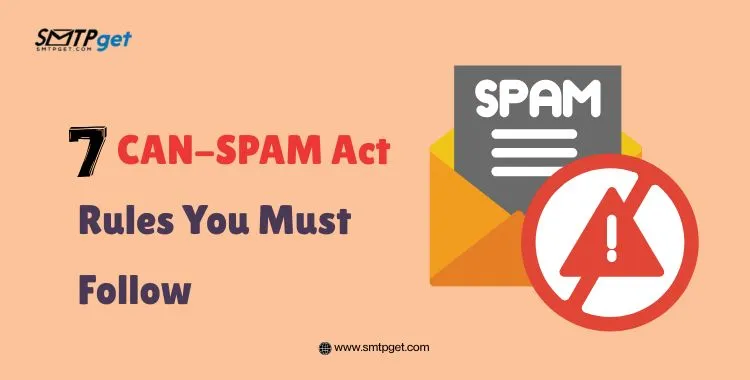
The 7 CAN-SPAM Act Rules You Must Follow

Here are the key requirements of the CAN-SPAM Act-

7 CAN-SPAM Act Rules You Must Follow

Don’t use false or misleading header information

Your “From,” “To,” and “Reply-To” fields must accurately identify you or your business. You cannot pretend to be someone else.

Don’t use deceptive subject lines

Your subject line must reflect the content of the email honestly. For example, don’t write “Your order has shipped” if the email is actually an advertisement.

Identify the message as an ad

You need to indicate that your message is an advertisement. The law gives you flexibility on how you word this, but it must be obvious to the recipient.

Include your valid physical postal address

Every email must include a valid, physical postal address – it can be your current street address, a P.O. Box, or a private mailbox registered with a commercial mail receiving agency.

 Tell recipients how to opt out of future emails

You must include a clear and easy way for recipients to unsubscribe or opt out of receiving more emails from you.

Honor opt-out requests promptly

If someone unsubscribes, you must remove them from your list within 10 business days. You cannot charge a fee or make them jump through hoops to unsubscribe.

Monitor what others are doing on your behalf

If you hire another company to handle your email marketing, you are still legally responsible for ensuring compliance.
These rules form the backbone of CAN-SPAM compliance and help businesses stay on the right side of the law.

What is a CAN-SPAM Act Violation?

A CAN-SPAM Act violation occurs when a business sends emails that break any of the rules above. Some common violations include-

  • Sending emails without a clear opt-out mechanism.
  • Ignoring unsubscribe requests or delaying their processing.
  • Using misleading subject lines.
  • Failing to include a physical address.
  • Harvesting email addresses without consent.

Each separate email that violates the CAN-SPAM Act can result in fines, making non-compliance very costly.

CAN-SPAM Best Practices

While the CAN-SPAM Act sets minimum requirements, following best practices ensures your campaigns are not only legal but also effective. Here are CAN-SPAM best practices to follow-

CAN-SPAM Best Practices

Get Permission (Even Though Not Required by Law)

While the CAN-SPAM Act doesn’t technically require opt-in consent (unlike GDPR), it’s still best to send emails only to those who’ve agreed to receive them. This improves engagement and reduces spam complaints.

Use Double Opt-In

Have subscribers confirm their email after signing up. This reduces fake sign-ups and shows clear proof of consent.

Make Unsubscribing Easy

Your unsubscribe link should be clearly visible and one click away – no complicated steps.

Keep Your List Clean

Regularly remove inactive or bounced email addresses from your list.

Personalize and Segment

Relevant, targeted emails are less likely to be marked as spam.

Test Your Emails

Before sending, check your emails with spam-checking tools to ensure your message isn’t flagged.
By combining compliance with these best practices, you can improve deliverability and maintain a positive brand image.

CAN-SPAM Act vs. GDPR- What’s the Difference?

If you also send emails to people in the EU, you need to know the difference between the CAN-SPAM Act and GDPR.

AspectCAN-SPAM ActGDPR
ConsentNot required before sendingExplicit consent required
Opt-Out/Opt-InOpt-outOpt-in
EnforcementFTCLocal Data Protection Authorities
FinesUp to $51,744 per emailUp to €20 million or 4% of global turnover

Even if CAN-SPAM allows you to email without consent, it’s wise to get permission to align with global best practices.

Benefits of CAN-SPAM Compliance

Following the CAN-SPAM Act in email marketing is not just about avoiding penalties – it also improves the effectiveness of your campaigns. By sticking to CAN-SPAM best practices, you can enjoy these key benefits:

  • Better deliverability: When you follow the CAN-SPAM Act Rules, your emails are less likely to get flagged as spam. This means more of your messages actually reach the inbox.
  • Higher engagement rates: Compliant emails tend to perform better because they’re sent to genuinely interested subscribers, resulting in higher open and click-through rates.
  • Avoid legal issues: Non-compliance can lead to hefty fines. Staying CAN-SPAM compliant helps you avoid costly CAN-SPAM Act violations.
  • Protect your brand reputation: Sending spammy or misleading emails damages your credibility. Compliance shows your audience you respect their privacy.
  • Build trust: Transparency, honesty, and respect for recipients’ preferences foster long-term trust with your audience.

How to Check if You’re CAN-SPAM Compliant

Wondering if your email campaigns meet CAN-SPAM compliance standards? Use this quick checklist to make sure you’re on track:

  • Are your “From” and “Reply-To” fields accurate?
    You must clearly identify who is sending the email. Don’t use fake names or misleading email addresses.
  • Is your subject line honest?
    Your subject line must accurately reflect the content of your message – no clickbait or false claims.
  • Did you include your physical business address?
    Every email must include your valid physical postal address (street address, PO box, or private mailbox).
  • Is there a clear unsubscribe link?
    You must provide recipients with a simple way to opt out of future emails, and it must work for at least 30 days after the email is sent.
  • Do you remove unsubscribed users within 10 days?
    You are required to honor opt-out requests within 10 business days.
  • Are you monitoring your marketing partners?
    Even if you hire another company to send emails on your behalf, you’re still responsible for ensuring they comply with the CAN-SPAM Act Rules.

If you answered “yes” to all the above, congratulations – you’re on the right path to full CAN-SPAM compliance!

By making CAN-SPAM best practices a standard part of your email marketing strategy, you can avoid CAN-SPAM Act violations, build stronger relationships with your audience, and ensure your campaigns stay effective and legal.

What Happens if You Violate the CAN-SPAM Act?

Violations can be expensive – each non-compliant email can cost you thousands of dollars. The Federal Trade Commission (FTC) actively investigates complaints, and businesses found guilty can face lawsuits, fines, and reputational damage.

Here are some real-world examples of penalties:

  • A business fined $900,000 for failing to honor unsubscribe requests.
  • A company fined for using deceptive subject lines.

These examples show how serious CAN-SPAM Act violations can be.

Final Thoughts

The CAN-SPAM Act in email marketing is all about respect – respect for your audience’s inbox, their preferences, and their privacy. While compliance might seem like a burden, it actually improves the quality of your campaigns and builds trust with your subscribers.
By understanding and applying the CAN-SPAM Act rules, avoiding CAN-SPAM Act violations, and following CAN-SPAM best practices, you’ll not only stay on the right side of the law but also create more successful email marketing campaigns.
Remember: good email marketing is not about sending as many emails as possible. It’s about sending the right email to the right person at the right time – and legally!


FAQs (Frequently Asked Questions)

Here are some frequently asked questions about the CAN-SPAM Act in email marketing.
Learn how to stay compliant, avoid violations, and follow best practices for effective campaigns.

1. What is the CAN-SPAM Act?

The CAN-SPAM Act is a U.S. law passed in 2003 that sets rules for commercial emails. It gives recipients the right to opt out and penalizes CAN-SPAM Act violations.

2. Why is the CAN-SPAM Act important in email marketing?

The CAN-SPAM Act in email marketing protects consumers from spam and helps businesses maintain trust by following fair and transparent practices.

3. Who must follow the CAN-SPAM Act Rules?

Anyone sending promotional emails in the U.S., even to one person, must comply with all CAN-SPAM Act Rules to avoid penalties.

4. What are the main CAN-SPAM Act Rules?

Use honest headers and subjects, identify ads, include your address, add an opt-out link, honor unsubscribes promptly, and oversee partners for CAN-SPAM compliance.

5. What happens if you violate the CAN-SPAM Act?

Each CAN-SPAM Act violation can result in fines up to $51,744 per email, lawsuits, and harm to your brand reputation.

6. Is permission required under the CAN-SPAM Act?

Permission isn’t required under the CAN-SPAM Act Rules, but it’s a CAN-SPAM best practice to get consent for better results and fewer complaints.

7. What are common CAN-SPAM Act violations?

Not providing an opt-out link, ignoring unsubscribes, misleading subject lines, and no valid business address are common CAN-SPAM Act violations.

8. How can I check my CAN-SPAM compliance?

Make sure your emails follow CAN-SPAM compliance by including honest information, a clear unsubscribe link, your physical address, and removing unsubscribed users within 10 business days.

9. What are the benefits of CAN-SPAM compliance?

Following CAN-SPAM compliance improves deliverability, builds trust, avoids fines, and helps your emails perform better.

10. How is the CAN-SPAM Act different from GDPR?

The CAN-SPAM Act in email marketing allows opt-out emails, while GDPR requires opt-in consent before sending.

Related Post
10 Best Mailchimp Alternatives
10 Best Mailchimp Alternatives (Free & Paid Options)

We know you love Mailchimp for its user-friendly interface and powerful email marketing tools. However, exploring alternatives can open new Read post

Bulk Mail Server Service Provider
Bulk Mail Server Service Provider for Businesses

Are you looking for a way to send emails to thousands of customers at once? A bulk mail server service Read post

Bulk email services for Educational institutions
Bulk email services for Educational institutions, the Benefits+ How to choose

As technology advances, it has become more important than ever for educational institutions to stay connected with their students, staff, Read post

Bulk Email Server Providers
Top 12 Bulk Email Server Providers to Consider in 2024

Choosing the right bulk email server is important for any business looking to boost its email marketing efforts. In 2024, Read post


Gmail Clipping- How to Fix Gmail Message Clipped Issue?Gmail Clipping- How to Fix Gmail Message Clipped Issue?

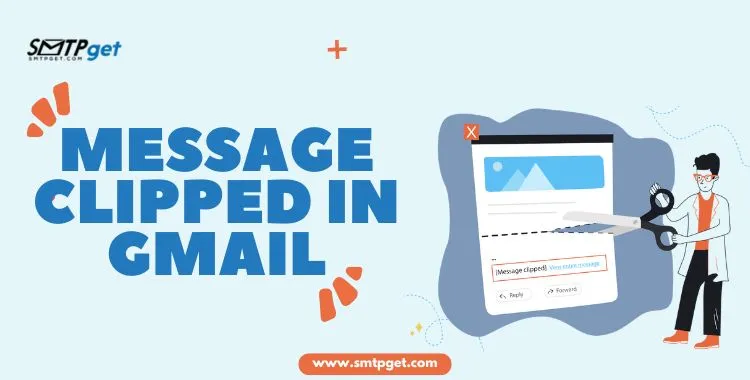
Have you ever seen the small note at the bottom of an email saying “[Message clipped] View entire message”? This is called Gmail clipping, and it happens when your email is too large for Gmail to display fully. Many readers don’t notice the link or bother to click it, which means important parts of your email like offers, links, or even unsubscribe options, can go unseen. This is not just bad for user experience but can also affect your email campaign performance.
Gmail Clipping and Inbox Clipping
In this blog, I’ll explain what Gmail clipping and inbox clipping really mean, why they happen, and how you can fix and avoid the issue. With the right tips, you can make sure your emails always appear complete and professional.

What is Gmail Clipping?

Gmail clipping happens when your email is larger than Gmail’s display limit of 102 KB. When this happens, Gmail trims or “clips” your message and shows the link:

[Message clipped] View entire message

When the reader clicks this link, the rest of the email opens in a separate browser tab or window.
For many readers, this is inconvenient. They might not even realize your message was clipped. As a result, they miss the full content, which can hurt your email campaign.

Image description
Get special offers!
We help businesses to grow like yours!

Understanding Gmail Clipping: The 102 KB Limit

Let’s start with the most prominent form of email clipping: Gmail clipping. This phenomenon occurs when an email’s total size, including its underlying HTML code, text, and embedded elements, exceeds Gmail’s specific display limit of 102 KB.

Think of it like a strict bouncer at a party: if your email’s “weight” goes over the limit, only a part of it gets in, and the rest is held back. Gmail then displays the “[Message clipped] View entire message” link. When a reader clicks this link, the complete email finally opens in a separate browser tab or window, revealing the hidden content.

Gmail Clipping- The 102 KB Limit

For senders, this can be incredibly inconvenient and detrimental. If readers don’t realize your message was clipped, or simply don’t bother to click the link, they miss vital information, calls to action, and even unsubscribe options. This directly hurts your email campaign’s performance and engagement metrics. Email clipping in Gmail can hide crucial parts of your message, resulting in a fragmented user experience.

What is Inbox Clipping?

Inbox clipping is the general term used when an email client (like Gmail, Yahoo Mail, Outlook, etc.) cuts off part of an email because it’s too long, too big, or too heavy to display fully.

While Gmail has a clear limit of 102 KB, other email services also have their own limits and may clip long emails. But since Gmail is one of the most popular email services, Gmail clipping is the most common issue email marketers face.

Why Does the Gmail Clipping Issue Occur? The Technical Deep Dive

The 102 KB limit in Gmail isn’t just about the visible text. It encompasses the entire raw HTML file size of your email. This includes:

Why Does the Gmail Clipping Issue Occur

  • All Text: Every character in your email, including subject lines, preheaders, and body content.
  • HTML Structure and Styling (CSS)- The code that defines your email’s layout, fonts, colors, and responsive design. This is a major contributor to Gmail clipping. Inefficient or bloated HTML can quickly push you over the limit.
  • Links and Tracking URLs- Every hyperlink in your email, especially those with long tracking parameters added by email service providers (ESPs), adds to the file size.
  • Image References (but not the images themselves)- While images are typically hosted externally and not embedded in the email’s file size, the HTML code that references and styles these images (e.g., <img> tags, alt text, inline styles for image dimensions) contributes to the 102 KB limit.
  • Hidden Characters and Bloat- Copying and pasting content from rich text editors (like Microsoft Word or web pages) can bring over hidden, unnecessary formatting code that inflates the email’s size without any visible change. This “invisible bloat” is a frequent cause of email clipping in Gmail.
  • Reply Chains- In long email conversations, each reply adds to the overall message size, making it highly probable that a message clipped in Gmail notification will appear in threaded conversations.
  • Extensive Commenting- While helpful for developers, excessive HTML comments in your email template can also add to the file size.
  • Non-ASCII Characters and Encoding- The use of special characters or symbols (like copyright symbols © or registered symbols ®) can sometimes increase metadata and encoding size, pushing an email over the 102 KB limit.

The purpose of this limit is to ensure fast loading times and prevent individual oversized emails from slowing down the entire system for billions of users. However, for email senders, it presents a significant challenge.

The Impact of “Message Clipped in Gmail” on Your Campaigns and Experience

The consequences of the Gmail clipping issue extend beyond mere inconvenience:

Message Clipped in Gmail

  • Reduced Engagement and Click-Through Rates (CTR)- If your call to action (CTA), important information, or enticing visuals are hidden, recipients are less likely to see or interact with them. This directly impacts the effectiveness of marketing or transactional emails.
  • Inaccurate Analytics- Crucially for marketers, the tracking pixels used to measure email opens are often placed at the very end of the email. If the email is clipped, this pixel might not load, leading to a significant underreporting of your open rates. This provides skewed data, making it harder to optimize future campaigns.
  • Hidden Unsubscribe Link- A major concern for compliance (e.g., CAN-SPAM Act) and sender reputation is the unsubscribe link. If this link falls below the fold due to inbox clipping, recipients who wish to unsubscribe might not find it. Frustrated, they are far more likely to mark your email as spam, which severely damages your sender reputation and deliverability.
  • Poor User Experience- Requiring an extra click to view the full message is a friction point. It can make your emails feel less professional or complete, diminishing the overall experience for your subscribers.
  • Broken Layouts- In some cases, severe clipping can even cause the HTML to break, leading to distorted layouts or plain text rendering, making your email look unprofessional. This is especially true if the clipping occurs mid-element, preventing proper closing tags.
  • Mobile Responsiveness Issues- When an email is clipped, the Gmail mobile app might disable mobile responsiveness and render the email in a desktop view, making it difficult to read on smaller screens.

How to Fix the Gmail Message Clipped Issue (For Email Senders)

If you’re an email sender, preventing Gmail clipping is paramount for successful communication. Here’s how to minimize the Gmail clipping issue:

How to Fix the Gmail Message Clipped Issue (For Email Senders)

1. Be Concise and Prioritize Content:

  • Get to the Point- Put your most critical information, key messages, and primary call to action at the very top of the email, “above the fold” (i.e., within the first 102 KB).
  • Link to More- Instead of including all your content directly in the email, use “Read More” links that direct recipients to your website, blog post, or a dedicated landing page for the full details. This is a highly effective way to manage email size and avoid email clipping in Gmail.
  • Break Up Long Emails- If you have multiple topics or a lot of information, consider splitting it into a series of shorter emails.

2. Optimize Your HTML Code:

  • Clean and Lean Code- Ensure your email HTML is clean, efficient, and free of unnecessary bloat. Avoid overly complex nested tables or redundant <div> tags if simpler structures suffice.
  • Minify HTML and CSS- Use online tools to “minify” your HTML and CSS. This process removes unnecessary whitespace, comments, and line breaks without affecting functionality, significantly reducing file size.
  • Avoid Copy-Pasting from Word Processors- When adding text, always paste it into a plain text editor first (like Notepad or TextEdit) to strip out hidden formatting code, then copy it into your email builder. This is a common cause of unexpected size bloat leading to inbox clipping.
  • Limit Inline CSS (Strategically)- While inline CSS is essential for compatibility across email clients, try to use it judiciously. For larger blocks of styling, consider embedded <style> tags in the <head> section of your HTML if your email platform allows.

3. Manage Images and Other Assets:

  • Compress Images- While image file size itself doesn’t count towards the 102 KB HTML limit, the HTML code referencing them does. Always use optimized, compressed images.
  • External Hosting- Ensure all your images are hosted externally on a server, and you’re linking to them in your email. Do not embed images directly using Base64 encoding, as this drastically inflates the HTML file size and almost guarantees Gmail clipping.
  • Remove Unnecessary Images- Every image, even small ones, adds code. Review your design and remove any images that don’t add significant value.
  • Careful with Links and Tracking Minimize Links- While links are essential, an excessive number, especially with long tracking parameters, contributes to the size. Review if every link is truly necessary.
  • Test Tracking Pixel Placement- Some ESPs allow you to control where tracking pixels are placed. If possible, ensure they are higher in the email’s code so they load even if the message is clipped.
Image description
Get special offers!
We help businesses to grow like yours!

4. Testing is Crucial:

  • Send Test Emails to Gmail- Always send test versions of your email to a personal Gmail account before sending to your main list. This is the most reliable way to check for the message clipped in Gmail notifications.
  • Change Test Subject Lines- If you send multiple test emails for the same campaign, Gmail often “threads” them into a single conversation. This cumulative size can cause the test email to clip, even if the final sent email (which isn’t part of a thread) would not. Use unique subject lines for tests, or delete previous test emails before sending new ones.
  • Use Email Testing Tools- Services like Litmus, SMTPget or Email on Acid can show you how your email renders across various email clients, including Gmail, and often provide insights into your email’s file size.

5. Avoid Special Characters and Overly Complex Fonts:

  • While modern email clients support UTF-8, some special characters or embedded custom fonts can contribute to size. Stick to web-safe fonts and standard characters where possible.

How to Fix the Gmail Message Clipped Issue (For Recipients)

As a recipient, you have fewer direct controls to prevent Gmail clipping, as the problem originates from the sender’s email size. However, here’s what you can do when you encounter a message clipped in Gmail:

How to Fix the Gmail Message Clipped Issue (For Recipients)

Click “View entire message”- This is the most straightforward solution. Simply click the “[Message clipped] View entire message” link. Gmail will then open the full email in a new browser tab or within your current Gmail view, allowing you to see all the content.
Is There a “Gmail Message Clipped Disable” Setting? Unfortunately, no. There is no direct “Gmail message clipped disable” button or setting within Gmail that you, as a recipient, can activate to stop emails from being clipped. This is an automatic function of Gmail’s system designed for performance. The control lies entirely with the sender to optimize their email size.

Inform the Sender- If you consistently receive clipped emails from a particular sender (e.g., a newsletter or a business), consider sending them a polite message. Let them know their emails are being clipped and suggest they review their email campaigns. Many senders are unaware of this Gmail clipping issue and would appreciate the feedback.

Check Different Devices/Clients- While the 102 KB limit is standard for Gmail, sometimes viewing an email on a different device (like the Gmail mobile app) or a different email client might offer a slightly different experience, though the core clipping will remain due to the size.

Forwarding Retains Full Content- If you forward a clipped message, the full original content is usually forwarded, even if it was clipped in your inbox. This can be useful if you need to share the complete email with someone else.

How to Check If Your Email Will Be Clipped

Send a test email to yourself and check your Gmail inbox to see if your email will be clipped. Your email was clipped if it has an ellipsis (…) at the bottom or a “Message clipped” message at the bottom. Emails greater than 102KB are clipped by Gmail.

How to Check If Your Email Will Be Clipped

Here’s a more detailed explanation:

1. Check Your Email:

Make a test email- Use a Gmail account that you have access to, such as your personal Gmail address, to send your email.
Check Gmail for the email: In your Gmail inbox, open the email.

2. Identify Clipping

The “Message clipped” sign should be visible.
Your email has been clipped if you see “Message clipped” at the bottom.
Make sure the ellipsis is present.
When more text is available but concealed, Gmail may also clip your email and display an ellipsis (…) at the conclusion of the visible content.
Click the ellipsis or link: The email will enlarge and display the clipped information when you click on the “Message clipped” link or the ellipsis.

3. The Reasons Behind Clipping:

Email Size Limit– Gmail allows emails up to 102 KB in size. Gmail will cut your email if it goes over this limit.

Excessive information- An email’s size may grow if it contains too much text, pictures, or other information.

Copying and Pasting- When you copy text from other sources, such as websites, you may introduce formatting code that is hidden and increases the size of the email.

Several Test Emails- If you send several test emails with the same subject line, Gmail may thread them together, making them larger overall and perhaps causing clipping.

4. Preventive Measures:

Track Email Size- Before sending, examine your email and verify its size using programs like Litmus or Email on Acid.

Optimize Content- Cut down on information, resize photos, and eliminate extraneous formatting.

Steer clear of copying and pasting- If you must copy something, reformat it in your email builder and paste it as plain text.

Employ Distinct Subject Lines- To stop Gmail from merging test emails, use distinct subject lines for each one.

You can successfully check for email clipping and take preventative measures by following these procedures, which will guarantee that your emails are sent in their entirety.

Image description
Get special offers!
We help businesses to grow like yours!

Conclusion

Gmail clipping and Inbox clipping are common issues faced by email marketers and businesses. But with proper planning, clean HTML, and optimized content, you can prevent the Gmail clipping issue and make sure your emails display perfectly. Always aim to keep your email under Gmail’s 102KB limit and test before sending. This will help you improve engagement and maintain a professional impression.

By following the tips above, you can effectively fix the email clipping in Gmail problem and even disable Gmail message clipped altogether.


Frequently Asked Questions (FAQs)

Here are some common questions and answers about Gmail clipping and inbox clipping to help you understand and fix the Gmail message clipped issue easily.

Q1. What is Gmail clipping?

Gmail clipping happens when an email sent to Gmail is too large (over 102KB), and Gmail cuts off part of the message. Users then see a link saying “[Message clipped] View entire message”.

Q2. Why does inbox clipping occur in Gmail?

Inbox clipping in Gmail occurs because the email’s HTML code exceeds Gmail’s 102KB size limit. Gmail hides the excess content to keep the inbox fast and lightweight.

Q3. How can I fix the Gmail clipping issue?

You can fix the Gmail clipping issue by keeping your email size under 102KB, optimizing your HTML, removing unnecessary code, and compressing images.

Q4. Does email clipping in Gmail affect deliverability?

Yes, email clipping in Gmail can affect deliverability and engagement because users might not see the full message, including unsubscribe links or calls to action.

Q5. How do I test if my message is clipped in Gmail?

Send a test email to your Gmail account and open it. If you see “[Message clipped] View entire message”, your email is being clipped.

Q6. Can I disable Gmail message clipped for my emails?

You cannot completely disable Gmail message clipped, but you can prevent it by designing your emails properly and keeping the HTML size within Gmail’s limit.

Q7. What is the recommended email size to avoid Gmail clipping?

To avoid Gmail clipping, keep your email’s HTML size under 102KB. This ensures the full message displays without being clipped.

Q8. Does inbox clipping happen in email clients other than Gmail?

Inbox clipping is specific to Gmail because of its strict size limit. Other email clients may handle large emails differently but can also truncate very long emails.

Q9. Is Gmail clipping related to large image attachments?

No, Gmail clipping is based on the size of the HTML code, not image attachments. However, embedding large images can bloat HTML and trigger clipping.

Q10. Why is my Gmail message clipped even though my email looks small?

Even if your email appears small visually, the underlying HTML code may still exceed 102KB, causing the Gmail message to be clipped.

Related Post
Spam Filters
How to Avoid Spam Filters When Sending Bulk Emails

Bulk emails can be a powerful way to reach a large audience, but landing in spam folders can ruin your Read post

Bulk Email Marketing Services in Berlin- Top 5 Choices

Bulk Email marketing services has become an important part for businesses to engage with their customers and drive conversions. In Read post

How to use AI for improving email marketing strategies
How to use AI for improving email marketing strategies?

Considering the pros of email marketing, it is quite natural ai for email marketing platforms to use automation tools and Read post

What is an SMTP Relay Service, & How does it works?

The SMTP server protocol is a simple protocol for sending, relaying, and monitoring outgoing emails. An SMTP relay service also Read post

Email Headers Example & Analysis – Bounce & Spam Check GuideEmail Headers Example & Analysis – Bounce & Spam Check Guide

Most people think an email is just a message with a subject and body, but there’s more to it. Every email also has a hidden section called the email header. This part contains important technical details like who sent the email, when it was sent, what servers it passed through, and whether it passed spam checks. You usually don’t see it, but it’s very useful especially if you want to track issues or check for spam.

In this guide, we’ll explain what an email header is, how to read it, and how it helps protect you from fake messages. We’ll also show a simple email headers example, explain how to use an email header analyzer, and teach you how to analyze email headers for spam. Plus, if your email bounces back, you’ll learn how to read an email bounce header to understand the reason. This article uses simple words, so anyone can follow along easily.

Email Headers Example & Analyzer Bounce & Spam Check Guide

In this article, I will talk about what an email header is, how to understand it, and how it can help you with spam protection and email issues. I will also explain how to use an email header analyzer, how to analyze email headers for spam, and how to read an email bounce header.

Table of Contents

What Is an Email Header?

An email header is a special part of every email that contains technical information about the message. While you normally only see the visible parts of an email like the From, To, Subject, and Body there’s a lot more happening in the background.
This background part is called the email header, and it tells the full story of the email’s journey from the sender to the receiver. It helps email systems, servers, and even users understand how the email was sent, where it came from, and whether it can be trusted.

Image description
Get special offers!
We help businesses to grow like yours!

What Information Does an Email Header Contain?

Here’s what you can usually find in an email header:

Sender Information (“From”)

  • Shows who sent the email.
  • But keep in mind: this can be faked, so we look at other parts to verify the sender.

Receiver Information (“To”)

  • Shows who the email was sent to.

Date and Time (“Date”)

  • Shows when the email was sent by the sender.

Subject of the Email (“Subject”)

  • Although this also shows up in the inbox, it’s technically part of the header.

Message ID (“Message-ID”)

  • A unique code given to each email. This helps with tracking and organizing email threads.

Routing Path (“Received”)

  • Shows the list of servers that the email passed through before reaching you.
  • Each time the email passes a server, it leaves a new Received line.

Authentication Details (“Authentication-Results”)

  • Tells you if the email passed checks like SPF, DKIM, and DMARC.
  • These checks help prevent spam, phishing, and spoofing.

Return Path (“Return-Path”)

The address to which bounce messages are sent if the email can’t be delivered.

MIME Version and Content-Type

Tells the format of the email content (e.g., plain text, HTML, attachments).

Is the Email Header Visible to Everyone?

No, the email header is usually hidden when you read an email. That’s because most people don’t need to see the technical details.

But if you want to check the email header (for example, to see if an email is spam or to trace where it came from), you can open it using your email app’s settings.

How to View the Email Header in Popular Email Services

To understand where an email came from or check if it’s spam, you need to look at the email header. Here’s how you can find and view email headers in popular email services like Gmail, Outlook, and Apple Mail.

How to View the Email Header in Popular Email Services

In Gmail:

  1. Open the email.
  2. Click the three vertical dots (More options) in the top-right corner of the message.
  3. Select “Show Original.”
  4. A new window will open showing the full email header and other raw data.

In Outlook (Web Version):

  1. Open the email.
  2. Click on the three dots on the right corner.
  3. Click on “View message details.”
  4. The full email header will appear.

In Apple Mail:

  1. Open the email.
  2. From the top menu, click View > Message > All Headers.
  3. You will now see the full header information.

Why Are Email Headers Important?

An email header is one of the most important parts of any email, even though most people never see it. It carries hidden technical details that tell the full story of the email’s journey—from the moment it is sent to the moment it reaches the inbox. Understanding email headers can help you in many ways, whether you’re just checking a suspicious message or managing large email campaigns.

Why Are Email Headers Important

1. You Can Check If an Email Is Real or Fake

Scammers often send emails that look real but are actually fake. By reading the email header, you can find the real sender’s IP address and check if the message passed authentication tests like SPF, DKIM, and DMARC. This helps you protect yourself from phishing, spoofing, and fraud.

2. You Can See If the Message Was Delayed

Sometimes an email takes a long time to arrive. The email header shows a list of all the servers the message passed through, along with time stamps. This helps you figure out where the delay happened and how long it stayed at each step.

3. You Can Track Spam

If you’re receiving a lot of spam, or if your own emails are going to the spam folder, you can analyze email headers for spam issues. Headers contain clues that show whether your email passed or failed spam checks. This can help you find out why certain emails aren’t reaching inboxes.

4. You Can Fix Bounce Errors

When an email can’t be delivered, you get a bounce message that includes an email bounce header. This header tells you why the email failed—maybe the address doesn’t exist or the mailbox is full. By checking the bounce header, you can fix errors, clean your mailing list, and reduce bounce rates.

5. You Can Improve Email Deliverability

If you’re sending emails for business or marketing, deliverability is key. A well-formatted email header with correct SPF, DKIM, and DMARC records shows email providers that your message is trustworthy. This helps your email land in the inbox instead of spam. Using an email header analyzer can make it easier to spot and fix problems in your email setup.

Basic Email Headers Example

Let’s look at a simple email headers example to understand what it looks like:

From: hello@example.com

To: john@example.com

Subject: Meeting Reminder

Date: Thu, 19 June 2025 10:00:00 +0530

Message-ID: <123456@example.com>

Received: from mail.example.com (192.168.1.1) by smtp.example.com

Authentication-Results: spf=pass dkim=pass dmarc=pass

Each line here gives you information about the email. Now let’s explain what each part means.

Parts of an Email Header

An email header contains many hidden but important details that help email systems and users understand how the email was sent, where it came from, and whether it can be trusted. Let’s break down the most common parts found in a typical email headers example:

Parts of an Email Header

1. From

This field shows who sent the email. It includes the sender’s email address, like john@example.com. However, keep in mind that this can be easily faked by spammers or scammers. That’s why it’s important to check other header parts to verify the real sender.

2. To

This is the email address of the person who received the email. It tells you who the email was originally meant for. In some cases, you may also see CC (carbon copy) or BCC (blind carbon copy) recipients listed.

3. Subject

This is the title of the email—the part you usually see in your inbox before opening the message. While it looks like part of the visible email, it’s actually included in the email header.

4. Date

This line shows when the email was sent. It includes the date, time, and time zone of the sender. This can help you understand whether the email was delayed or sent at an unusual time.

5. Message-ID

Each email has a unique ID, known as the Message-ID. This is a special code created by the email server that helps identify the message and keep track of email threads. No two emails have the same Message-ID.

6. Received

One of the most detailed parts of the header, the Received section shows the path the email took from the sender to the receiver. Each server the email passed through adds a new “Received” line. This lets you see all the server names, IP addresses, and timestamps. It’s very helpful when you want to analyze email headers for spam or delays.

7. Authentication-Results

This section shows whether the email passed or failed important security checks such as:

  • SPF (Sender Policy Framework)
  • DKIM (DomainKeys Identified Mail)
  • DMARC (Domain-based Message Authentication, Reporting & Conformance)

If these tests fail, the email may be marked as spam or suspicious. This is one of the most useful parts when using an email header analyzer to check if a message is real or fake.

What Is an Email Header Analyzer?

Reading an email header manually can be difficult, especially if you’re not a technical expert. That’s why there are tools called email header analyzers. These tools help break down complex header data into simple and easy-to-read information.

When you use an email header analyzer, you can quickly find out important details about the email, such as where it came from, whether it was delayed, and if it’s safe or possibly spam. These tools are especially helpful when you want to analyze email headers for spam, troubleshoot delivery issues, or check email bounce headers.

What Does an Email Header Analyzer Do?

Here’s what a good email header analyzer can help you with:

  • Shows the path the email took, including all the servers it passed through
  • Tells if the message was delayed, and at which server
  • Checks SPF, DKIM, and DMARC results to see if the email passed authentication
  • Finds the sender’s real IP address, even if the “From” address was faked
  • Flags suspicious activity that may indicate spam, phishing, or spoofing

These insights are valuable for IT teams, marketers, and even regular users who want to stay safe from spam or scams.

Best Email Header Analyzer Tools (Free)

You don’t need to be a tech expert to use these tools. Just copy the email headers from your email app and paste them into one of these trusted email header analyzer tools:

MxToolbox Email Header Analyzer

User-friendly and detailed. Shows server paths, delays, and spam risks.

Google Message Header Analyzer

A tool by Google that breaks down headers and shows delivery times.

Microsoft Message Analyzer

Great for Outlook users and advanced email troubleshooting.

These tools are great when you want to analyze email headers for spam or understand email bounce headers to fix delivery errors.

How to Use an Email Header Analyzer

  1. Open the email in your inbox.
  2. Look for the option like “Show Original,” “View Source,” or “Message Details.”
  3. Copy the full email header.
  4. Go to one of the tools listed above.
  5. Paste the header into the tool and click “Analyze.”
  6. Review the results for server information, spam status, and authentication checks.

Using an email header analyzer makes it easy to turn a complex email headers example into clear, useful information. Whether you’re investigating spam or solving delivery problems with an email bounce header, these tools will save you time and effort.

How to Analyze Email Headers for Spam

One of the most important reasons to study an email header is to check if the email is spam or fake. You can easily analyze email headers for spam by checking a few key things:

1. Check Authentication Results

In the header, find a line like this:

Authentication-Results: spf=fail dkim=pass dmarc=fail

If SPF or DMARC says “fail,” the email might be fake.

2. Look at the ‘Received’ Lines

Check all the servers the email passed through. If one of them looks suspicious or has a strange IP address, it could be a spam source.

3. Compare ‘From’ and ‘Return-Path’

If the “From” email address looks different from the “Return-Path,” the email could be spoofed.

4. Use an Email Header Analyzer

Tools will mark anything unusual and help you analyze email headers for spam with ease.

Spam emails often try to look like official messages from banks or websites, but their headers give them away. Learning to analyze email headers for spam helps you stay safe.

What Is an Email Bounce Header?

Sometimes, an email doesn’t get delivered. You may get a message saying, “Delivery failed” or “Email bounced back.” This message contains an email bounce header.
An email bounce header gives details about why the email could not be delivered.

Two Types of Bounces:

  1. Soft Bounce – Temporary issue like mailbox full
  2. Hard Bounce – Permanent issue like email address not found

What to Look for in an Email Bounce Header:

  • Error Code: Like 5.1.1 (user does not exist)
  • Message-ID: Helps trace the email
  • Server Name and IP: Tells where it failed
  • Status: Temporary or permanent

Understanding the email bounce header helps you fix issues and improve your delivery rate. If you use email marketing, reading bounce headers is very important.

Example of an Email Bounce Header

Here’s a simple email bounce header:

Reporting-MTA: dns; mail.example.com
Final-Recipient: rfc822; wronguser@example.com
Action: failed
Status: 5.1.1
Diagnostic-Code: smtp; 550 5.1.1 User unknown

This tells us the email failed because the user doesn’t exist. So, we can remove this address from our mailing list.

How Email Headers Help in Marketing

If you send emails to customers, newsletters, or marketing campaigns, reading the email header can tell you:

  • Why some emails land in the spam folder
  • If your server is blacklisted
  • If your SPF or DKIM settings are wrong
  • If the bounce rate is too high

Using an email header analyzer regularly can boost your email success.

Simple Steps to Analyze an Email Header

Here’s how to do it:

  • Open the email
  • Click on “Show Original” or “View Message Source”
  • Copy the full header
  • Paste it into an email header analyzer
  • Check for red flags like:
    • SPF: fail
    • DKIM: fail
    • DMARC: fail
    • Unknown IPs
  • Analyze email headers for spam before clicking any links

You’ll learn a lot just from doing this a few times.

Tips for Beginners

  • Use an email header analyzer for all suspicious messages
  • If you’re a business, check bounce reports for email bounce headers
  • Train your staff to analyze email headers for spam
  • Clean your email list based on bounce data
  • Use proper SPF, DKIM, and DMARC records to pass authentication

Conclusion: Don’t Ignore the Email Header

The email header is like the black box of an email it records everything. Whether you’re trying to stop spam, fix bounce issues, or improve your campaign, the email header is the best place to start.

Use tools like an email header analyzer to save time. Learn to analyze email headers for spam and check every email bounce header to keep your list healthy. By understanding this hidden part of your message, you become smarter, safer, and more successful with your emails.


Frequently Asked Questions (FAQs)

Below are simple answers to help you understand key terms like email header, email header analyzer, and more.

1. What is an email header?

An email header is a hidden part of an email that contains technical details like sender info, server paths, timestamps, and spam check results.

2. Why should I check the email header?

Checking the email header helps you identify if an email is real or fake, detect spam, and troubleshoot delivery issues.

3. Is the email header visible by default?

No, the email header is hidden in most email apps. You need to open settings or select “Show Original” to view it.

4. What does an email headers example look like?

A basic email headers example includes lines like From, To, Subject, Date, Message-ID, Received, and Authentication-Results.

5. Can email headers be faked?

Some parts like the “From” field can be faked, which is why using an email header analyzer helps verify the real sender.

6. What is an email header analyzer?

An email header analyzer is a tool that breaks down the complex header into simple information to help detect spam or delivery issues.

7. How do I use an email header analyzer?

Copy the full header from your email, paste it into a tool like MxToolbox, and it will analyze the email headers for spam or delays.

8. What does the ‘Received’ section in the header show?

The Received section shows the path the email took, listing all the servers it passed through along with time stamps.

9. What are SPF, DKIM, and DMARC in an email header?

These are email authentication checks. If they fail in the email header, the message may be spam or spoofed.

10. How can I analyze email headers for spam?

Look at the Authentication-Results, Received lines, and Return-Path. Or use a tool to analyze email headers for spam easily.

11. What is an email bounce header?

An email bounce header appears when a message fails to deliver. It shows the reason, such as invalid address or mailbox full.

12. What’s the difference between a soft bounce and hard bounce?

A soft bounce is temporary (e.g., mailbox full), while a hard bounce is permanent (e.g., wrong email address).

13. How do email headers help with email marketing?

Email headers help track deliverability, detect if emails go to spam, check bounce rates, and verify authentication settings.

14. Which are the best free email header analyzer tools?

Popular tools include MxToolbox Email Header Analyzer, Google Message Header Analyzer, and Microsoft Message Analyzer.

15. Can email headers help prevent phishing or scams?

Yes! Reading or analyzing email headers helps you spot fake senders, spoofed addresses, and spam risks before clicking links.

Related Post
Bulk Email Services for Travel Agencies
Bulk Email Services for Travel Agencies- Boost Engagement

Bulk email services for travel agencies are essential for effective communication and client engagement. They enable agencies to send personalized Read post

Email Marketing
Power of Personalization in Email Marketing- Better Strategies

As a user of SMTP service providers for email marketing, you know why customer loyalty is important. You have to Read post

Best 12 Transactional SMTP Service Providers in 2024
Transactional SMTP Services- 12 Best Transactional SMTP Service Providers

Sending reliable Emails is important if you are running a website or a business. A good Email Service helps to Read post

How can you check if someone opened your Email?

Have you ever sent an important email and wondered if the person opened it? You're not alone. Many of us Read post

Email Marketing KPIs- Complete Guide with Metrics, Templates, and ExamplesEmail Marketing KPIs- Complete Guide with Metrics, Templates, and Examples

Email marketing is one of the most effective and affordable digital marketing strategies available today. Whether you’re running an eCommerce store, a SaaS company, or a nonprofit organization, email marketing can help you reach your audience, nurture relationships, and drive measurable results. But how do you know if your email marketing campaigns are working? The answer lies in Email Marketing KPIs.

Email Marketing KPIs
In this detailed guide, we will explore everything you need to know about email marketing KPIs, including essential email marketing metrics, a practical Email marketing KPIs template for tracking, and real-life Email marketing KPIs examples.

Image description
Get special offers!
We help businesses to grow like yours!

Table of Contents

What Are Email Marketing KPIs?

Email Marketing KPIs (Key Performance Indicators) are measurable values that show how effectively a campaign is achieving key business objectives. In email marketing, KPIs are used to track the success of email campaigns based on specific goals such as engagement, conversions, list growth, or customer retention.

Tracking these email marketing KPIs helps marketers understand what works and what doesn’t, optimize strategies, and make data-driven decisions to improve future campaigns. These email marketing metrics give you actionable insights into performance and help you align your efforts with your goals.

Why Are KPIs Important in Email Marketing?

Without tracking performance metrics, you’re essentially sending emails blindly. Here are key reasons why email marketing KPIs are vital:

Why Are KPIs Important in Email Marketing

  • Measure Campaign Success: Understand how your campaigns are performing through essential email marketing metrics.
  • Identify Weak Points: Discover areas that need improvement (e.g., subject lines, content, design).
  • Improve ROI: Make changes that lead to higher conversions and revenue.
  • Support Decision-Making: Use data like Email marketing KPIs examples to plan future strategies.

Top Email Marketing Metrics to Track

Here are the most critical email marketing KPIs you should track regularly:

1. Open Rate

  • Definition: The percentage of recipients who opened your email.
  • Formula: (Emails Opened / Emails Delivered) x 100
  • Importance: Indicates how compelling your subject line and sender name are.
  • Benchmark: A good open rate is between 20% to 30% depending on industry.

2. Click-Through Rate (CTR)

  • Definition: The percentage of recipients who clicked on at least one link in your email.
  • Formula: (Total Clicks / Emails Delivered) x 100
  • Importance: Shows how engaging your content is and helps evaluate email marketing KPIs.
  • Benchmark: Average CTR is around 2% to 5%.

3. Click-to-Open Rate (CTOR)

  • Definition: Percentage of recipients who clicked on a link after opening the email.
  • Formula: (Total Clicks / Emails Opened) x 100
  • Importance: Measures content relevance and effectiveness as a part of email marketing metrics.

4. Bounce Rate

  • Definition: Percentage of emails that couldn’t be delivered.
  • Formula: (Bounced Emails / Emails Sent) x 100
  • Types:
    • Soft Bounce: Temporary delivery issue (e.g., full inbox).
    • Hard Bounce: Permanent delivery failure (e.g., invalid address).
  • Benchmark: Should be below 2%.

5. Unsubscribe Rate

  • Definition: The percentage of people who opted out of your email list.
  • Formula: (Unsubscribes / Emails Delivered) x 100
  • Importance: Indicates dissatisfaction with content or frequency.

6. Conversion Rate

  • Definition: Percentage of email recipients who completed a desired action (purchase, sign-up, download).
  • Formula: (Conversions / Total Clicks) x 100
  • Importance: Measures ROI and campaign effectiveness.

7. Spam Complaint Rate

  • Definition: Percentage of recipients who marked your email as spam.
  • Formula: (Spam Complaints / Emails Sent) x 100
  • Importance: High spam complaints can affect deliverability and sender reputation.

8. List Growth Rate

  • Definition: How quickly your email list is growing.
  • Formula: ((New Subscribers – Unsubscribes) / Total Subscribers) x 100
  • Importance: A healthy list is crucial for long-term success.

9. Email Sharing/Forwarding Rate

  • Definition: Percentage of recipients who shared your email with others.
  • Importance: Indicates highly valuable or engaging content.

10. Revenue Per Email

  • Definition: Average revenue generated per email sent.
  • Formula: Total Revenue / Total Emails Sent
  • Importance: Key metric for eCommerce and sales-driven email marketing KPIs.

Email Marketing KPIs Template

You can use a spreadsheet or marketing dashboard to track the following email marketing KPIs:

Campaign NameSentDeliveredOpen RateCTRCTORBounce RateUnsub RateConversion RateRevenue
Product Promo10,0009,85024%6%25%1.5%0.3%4%$4,500
Newsletter7,5007,40027%3.2%12%0.5%0.2%1.5%$1,200
Cart Recovery3,0002,95040%10%30%0.3%0.1%7%$2,700

Use this Email marketing KPIs template for consistent campaign tracking and optimization. An Email marketing KPIs template provides a clear picture of what’s working and where improvements are needed.

Email Marketing KPIs Examples

Email Marketing KPIs (Key Performance Indicators) are essential metrics that help you measure the success of your campaigns. From open rates to conversion rates, these KPIs give a clear picture of how your emails are performing. By looking at real examples, like the ones below, you can better understand what works, what doesn’t, and how to improve future campaigns for better engagement and higher revenue.

Email Marketing KPIs Examples

Example 1: Welcome Series

Objective: Increase user engagement.

Metrics:

  • Open Rate: 45%
  • CTR: 8%
  • CTOR: 18%
  • Conversion Rate: 5%

Insights: Great subject lines and relevant intro content worked well and are clear Email marketing KPIs examples.

Example 2: Flash Sale Email

Objective: Generate quick sales.

Metrics:

  • Open Rate: 32%
  • CTR: 12%
  • Conversion Rate: 6%
  • Revenue: $7,000

Insights: Sense of urgency and clear CTAs led to higher sales, making this a valuable Email marketing KPIs example.

Example 3: Abandoned Cart Campaign

Objective: Recover lost revenue.

Metrics:

  • Open Rate: 48%
  • CTR: 15%
  • Conversion Rate: 10%
  • Revenue: $3,200

Insights: Automated reminders and incentives drove conversions. A powerful email marketing KPIs example to learn from.

How to Improve Your Email Marketing KPIs

Email Marketing KPIs are key to understanding how well your campaigns perform. Improving these metrics helps you reach more people, boost engagement, and increase conversions.

How to Improve Your Email Marketing KPIs

1. Optimize Subject Lines

Use action words and personalization to improve email marketing metrics.

A/B test different formats to enhance Email marketing KPIs.

2. Segment Your List

Divide users based on behavior, location, or preferences for better email marketing KPIs.

3. Personalize Content

Include recipient’s name and product recommendations.

Personalized emails drive better email marketing metrics.

4. Improve Design and Mobile Responsiveness

Use responsive templates.

A mobile-friendly layout boosts Email marketing KPIs.

5. Use Clear CTAs

Tell users exactly what you want them to do.

Strong CTAs lead to better email marketing KPIs.

6. Test Send Times and Frequency

Schedule emails based on user behavior to improve email marketing metrics.

7. Clean Your List Regularly

Remove invalid emails to lower bounce rate and improve Email marketing KPIs.

8. Monitor Feedback and Analytics

Understand user actions to refine future Email marketing KPIs templates and strategies.

Conclusion

Tracking Email Marketing KPIs is essential for improving campaign effectiveness. The right email marketing metrics help you spot what’s working, what needs fixing, and how to better connect with your audience. Using an Email marketing KPIs template, you can easily monitor each campaign and learn from every Email marketing KPIs example.
Start now by implementing these metrics, templates, and examples to supercharge your email marketing strategy.

Image description
Get special offers!
We help businesses to grow like yours!

FAQs related to Email Marketing KPIs

This FAQ section covers the most common queries to help you track, understand, and improve your email campaign performance.

What are Email Marketing KPIs?

Email Marketing KPIs are measurable values used to track the performance of your email campaigns based on specific business goals like engagement, conversions, and revenue.

Why are Email Marketing KPIs important?

They help measure success, identify weak spots, and optimize your strategy using actionable email marketing metrics.

Which are the most important email marketing metrics to track?

Key metrics include Open Rate, CTR, CTOR, Bounce Rate, Unsub Rate, Conversion Rate, and Revenue Per Email.

What is a good open rate for email marketing?

A healthy open rate usually ranges from 20% to 30%, depending on your industry and audience.

How is Click-to-Open Rate (CTOR) different from CTR?

CTR shows clicks vs. total emails delivered, while CTOR compares clicks to the number of emails opened—a more content-focused KPI.

What is an Email marketing KPIs template?

It’s a structured format (often a spreadsheet or dashboard) used to consistently track key email marketing metrics like sent, delivered, CTR, and revenue.

How can I reduce bounce rates in email marketing?

Maintain a clean email list, verify addresses regularly, and use double opt-in to reduce hard and soft bounces.

How do I improve my email marketing conversion rate?

Focus on personalized content, clear CTAs, mobile-friendly design, and optimized landing pages to boost conversions—key parts of improving Email Marketing KPIs.

What is considered a good Email Marketing CTR?

A good click-through rate usually ranges from 2% to 5%, but it can vary depending on your campaign type and industry.

Can I use real Email marketing KPIs examples for planning my strategy?

Yes, studying real-life Email marketing KPIs examples helps you understand what works and how to apply it to your campaigns.

How do I know if my email marketing is profitable?

Track revenue per email and conversion rates using an Email marketing KPIs template to assess ROI.

What is the average unsubscribe rate in email campaigns?

A typical unsubscribe rate is below 0.5%. Higher rates may indicate irrelevant content or too many emails.

How often should I review my Email Marketing KPIs?

You should analyze your email marketing metrics after every campaign and at least once a week for active campaigns.

How can segmentation help improve Email Marketing KPIs?

Segmenting your email list allows for targeted messaging, which leads to higher engagement and better overall email marketing metrics.

Where can I find a ready-to-use Email marketing KPIs template?

You can create one using Excel, Google Sheets, or email marketing tools like Mailchimp, HubSpot, or GetResponse that offer built-in KPI dashboards.

Related Post
Constant Contact Alternatives
Top Constant Contact Alternatives for Effective Email Marketing

Email marketing is a powerful tool for businesses looking to engage with their audience, promote products or services, and build Read post

Top 10 Benefits of Using SMTPget for Transactional Email Services

For important emails such as order confirmation, password change, notifications, etc., deliverability is very important. That is where SMTPget’s introducing Read post

Understanding SMTP Server Services- A Complete Guide for Businesses

SMTP servers are like the post offices of the internet. They make sure emails get sent quickly and safely from Read post

SMTP Relay Service Provider
SMTP Relay Service Provider in Mexico- Choose the Right Provider

Whether you're sending important updates, marketing campaigns, or transactional emails, ensuring the reliable and timely delivery of your messages is Read post

Hyper SMTP Server- A Fast and Powerful Email Sending SolutionHyper SMTP Server- A Fast and Powerful Email Sending Solution

Sending a few emails is easy. But sending thousands or even millions of emails at once is not the same. You need a stronger system for that. A Hyper SMTP Server is made for this job. Every business uses emails to send updates, offers, newsletters, and other important messages. But sending a few emails is very different from sending thousands or millions. For sending a large number of emails quickly and safely, you need something better than a normal email system. This is where a Hyper SMTP Server helps.

Hyper SMTP Server- Fast Secure SMTP Service Provider
Let’s understand what a Hyper SMTP Server is, why it is useful, and how it helps with bulk email sending in a smart and secure way.

Table of Contents

What is a Hyper SMTP Server?

SMTP stands for Simple Mail Transfer Protocol. It is the main system used to send emails across the Internet. A Hyper SMTP Server is a powerful and fast version of a regular SMTP server. It is made for businesses and people who need to send a large number of emails every day.

A Hyper SMTP Server helps send emails faster, with better email deliverability, more security, and without getting blocked or marked as spam.

Keywords to Know

Before we go further, here are some important keywords and what they mean:

  • SMTP Server – A server that helps send emails to other email servers.
  • Hyper SMTP Server – An advanced, fast, and secure SMTP server used for mass emailing.
  • Bulk Email Sending – Sending thousands or millions of emails at one time.
  • Email Deliverability – How many of your emails actually reach inboxes.
  • Email Server Security – Measures taken to protect your email from being hacked or misused.
Image description
Get special offers!
We help businesses to grow like yours!

Why Use a Hyper SMTP Server?

Here are some strong reasons why a Hyper SMTP Server is the best choice for businesses and digital marketers:

1. Send Emails Fast

With a Hyper SMTP Server, you can send millions of emails in just a few hours. It uses advanced technology that helps in quick delivery without delays.

Example: If you have to send a newsletter to 50,000 customers, a normal server might take hours. A Hyper SMTP server can do it much faster.

2. High Email Deliverability

With a Hyper SMTP Server, your emails are more likely to land in the inbox rather than the spam folder. It helps in improving the sender reputation by:

  • Using SPF, DKIM, and DMARC records
  • Avoiding blacklists
  • Sending from dedicated IPs

This means more people will see and open your emails.

3. Good for Bulk Email Campaigns

If you run email marketing campaigns, a Hyper SMTP Server is your best friend. You can send:

  • Newsletters
  • Promotional emails
  • Product updates
  • Event invites

All in a smooth and automated way.

4. Safe and Secure

Security is very important in emails. A Hyper SMTP Server gives you:

  • SSL/TLS encryption
  • IP-based access control
  • Strong anti-spam and antivirus filters

This keeps your emails safe from hackers and ensures only the right people can access the system.

5. Real-Time Tracking and Reports

You can see how your emails are doing with real-time data like:

  • How many emails were sent
  • How many were opened
  • How many links were clicked
  • Bounce and complaint reports

This helps you improve your email marketing over time.

Fast SMTP Server: The Backbone of Efficient Emailing

A fast SMTP server is crucial for businesses that rely heavily on email communication. It ensures timely delivery, reduces bounce rates, and improves overall engagement. By investing in a fast SMTP server, you enhance your brand’s credibility and customer satisfaction.

Fast SMTP Server

Fast SMTP Server for Quick Email Delivery

A fast SMTP server is important for businesses. When you use a Hyper SMTP Server, your emails are sent right away. This is great for things like:

  • Welcome emails
  • OTPs (One-Time Passwords)
  • Password reset emails
  • Special offers or sales alerts

When emails are sent fast, your customers are happy and your business looks professional.

Buy Hyper SMTP Server: Make the Smart Choice

When you decide to buy a Hyper SMTP server, you are making a great decision for your business. Here are some tips before you make your purchase:

  1. Check the server speed.
  2. Look for a service that is easy to set up.
  3. Choose a Hyper SMTP service that offers support 24/7.
  4. Compare prices and features.
  5. Make sure the provider has good reviews.

When you buy a Hyper SMTP server, you get better email results, save time, and grow your business faster.

Hyper SMTP for Cold Email: Reaching New People

Hyper SMTP for cold email campaigns is an effective way to reach potential customers. With high deliverability rates and fast sending speeds, your cold emails are more likely to be seen and responded to. Cold emails are messages sent to people who don’t know you yet. To make sure your cold emails reach the right people, use Hyper SMTP for cold email. Here’s why:

  • Cold emails can be marked as spam easily. A Hyper SMTP service keeps that from happening.
  • It helps you send bulk emails to new leads.
  • You get better open rates with a fast SMTP server.
  • You can track if someone opened your email or clicked your link.

Using Hyper SMTP for cold email helps you reach new customers and grow your business.

Hyper SMTP Example: Real-World Applications

Consider a marketing agency that sends out weekly newsletters to thousands of subscribers. By using a Hyper SMTP Server, they ensure timely delivery, track engagement metrics, and maintain high deliverability rates. This leads to better customer engagement and increased conversions.

Let’s look at a Hyper SMTP example: A small business owner wants to send weekly newsletters to 20,000 customers. He tries using his Gmail but gets blocked.

Then he tries a Hyper SMTP Server. Now he can:

  • Send 20,000 emails in less than 10 minutes
  • Track how many people opened the email
  • Avoid spam folders
  • Use a fast SMTP server to reach customers right away

This Hyper SMTP example shows how useful the server is for real businesses.

Image description
Get special offers!
We help businesses to grow like yours!

Hyper SMTP Gmail: Integrating with Popular Platforms

Integrating a Hyper SMTP Server with Gmail allows businesses to send large volumes of emails without hitting Gmail’s sending limits. This combination offers the familiarity of Gmail’s interface with the power of a Hyper SMTP Server’s capabilities.

If you like using Gmail but want to send more emails, try Hyper SMTP Gmail. It lets you use your Gmail account with a Hyper SMTP Server. Here’s what you get:

  • Send more emails than Gmail normally allows
  • Keep the Gmail interface you love
  • Use the power of a fast SMTP server
  • Get better deliverability and email tracking

Using Hyper SMTP Gmail is easy and powerful. It brings together the best of Gmail and the best of Hyper SMTP service.

Key Features of a Hyper SMTP Server

Discover the powerful features that make Hyper SMTP Server the smart choice for high-volume email delivery.

FeatureWhat It Does
High-Speed DeliverySends up to millions of emails per hour
Email AuthenticationUses SPF, DKIM, and DMARC to protect your domain
Dedicated IP AddressesKeeps your email reputation clean
Analytics DashboardShows real-time open rate, click rate, bounce rate, and more
Easy API IntegrationCan connect with your website, CRM, or software
ScalabilityCan grow with your business email needs
Security FeaturesKeeps your emails encrypted and safe from attacks

Who Should Use a Hyper SMTP Server?

A Hyper SMTP Server is useful for many types of users:

1. Digital Marketers

If you run email campaigns regularly, this server helps you send fast and land in inboxes, not spam folders.

2. E-Commerce Businesses

Online stores can use it to send order updates, shipping info, and promotional emails easily.

3. NGOs and Nonprofits

Send event invitations, donation requests, or volunteer updates to thousands of people with ease.

4. Startups and SaaS Companies

If your software sends transactional emails or automated updates, a Hyper SMTP server makes it reliable.

5. Educational Institutions

Use it to send student updates, results, or class notifications in bulk.

How to Set Up a Hyper SMTP Server

Setting up a Hyper SMTP Server may need a little technical knowledge, but here are the basic steps:

Step 1: Choose a Good SMTP Software

Some popular options include:

  • SMTPget
  • MailerQ
  • iDealSMTP
  • Exim
  • Haraka

Step 2: Set DNS Records

You need to set:

  • SPF Record
  • DKIM Record
  • DMARC Record

These records protect your domain and improve deliverability.

Step 3: Use Dedicated IPs

A dedicated IP is used only by you. It helps in building a good reputation over time.

Step 4: Warm Up Your IPs

Don’t send 100,000 emails on the first day. Start slowly and increase the volume gradually. This is called IP warming.

Step 5: Connect with Your CRM or Email Platform

You can link your Hyper SMTP server with tools like:

  • SMTPget
  • Mautic
  • DigitalAka
  • EmailOctopus
  • Custom applications

Top Hyper SMTP Server Providers

If you’re searching for a Hyper SMTP Server to boost your email delivery speed and accuracy, here are some trusted names. These providers offer Hyper SMTP services designed to handle cold emails, marketing campaigns, and transactional notifications—all without the hassle of managing the server yourself.

1. SMTPget

SMTPget is a top-rated Hyper SMTP Server known for its fast SMTP server performance and reliable customer support. If you’re planning to buy Hyper SMTP server access for cold emails or newsletters, SMTPget is a solid choice. It’s great for both beginners and pros who need a user-friendly dashboard and guaranteed inbox delivery.

SMTPget

Key Features:

  • Fast delivery using Hyper SMTP for cold email
  • Easy-to-use control panel
  • Supports SPF, DKIM, and DMARC
  • Dedicated IPs for better deliverability
  • Ideal Hyper SMTP Gmail compatibility

Benefits:

  • Round-the-clock support
  • Excellent for promotional and transactional email campaigns
  • Affordable plans with high reliability

Hyper SMTP Example: Sending 50,000 emails per day with 99% inbox placement using SMTPget.

Our Pricing:

Pricing Cheapest PlanStandard PlanProfessional Plan
SMTP Server Services$110$165$220
Bulk Email Server$50$145$225
Bulk Email Service$30$110$220


View Full Pricing

2. iDealSMTP

iDealSMTP offers Hyper SMTP service at competitive prices. It’s ideal for businesses looking to buy Hyper SMTP server plans with real-time tracking and analytics. If you’re new to email marketing, iDealSMTP gives you the tools you need to succeed without overspending.

iDealSMTP

Key Features:

  • IP rotation for high deliverability
  • Real-time tracking dashboard
  • Bulk email support with fast SMTP server capabilities
  • Domain warm-up and reputation management

Benefits:

  • Great for startups and medium-sized enterprises
  • Responsive support team
  • Works well for both Hyper SMTP Gmail and custom domains

Hyper SMTP Example: A client improved open rates by 40% using iDealSMTP’s rotating IPs and warm-up plans.

3. SendGrid

A trusted name in the industry, SendGrid is a scalable and secure Hyper SMTP service with powerful APIs. If you’re looking for a fast SMTP server that grows with your business, SendGrid is a proven choice. It’s also used as a Hyper SMTP Gmail integration tool for SaaS products.

SendGrid

Key Features:

  • RESTful API and SMTP relay
  • Advanced analytics and deliverability insights
  • Supports millions of emails daily
  • Developer-friendly and widely adopted

Benefits:

  • Ideal for sending cold emails at scale
  • Supports transactional and marketing messages
  • Used by companies like Uber, Spotify, and Airbnb

Hyper SMTP Example: Automating 100K+ transactional emails daily with high inbox rate using SendGrid

4. Mailgun

Mailgun provides the best Hyper SMTP Server for developers who need complete control over their email infrastructure. It’s particularly effective for sending cold email sequences, system alerts, and API-triggered messages.

Key Features:

  • Flexible API and SMTP configurations
  • Webhooks, analytics, and validations
  • Advanced routing features
  • Email parsing and template management

Benefits:

  • Optimized for developers and coders
  • Works perfectly with custom apps and platforms
  • Also suitable as a Hyper SMTP Gmail relay service

Hyper SMTP Example: Using Mailgun to send OTPs, password resets, and welcome emails in real time.

5. Amazon SES (Simple Email Service)

Amazon SES is a powerful and scalable Hyper SMTP service that integrates deeply with AWS. It’s incredibly cost-effective for high-volume senders, especially those comfortable with technical setups.

Amazon SES

Key Features:

  • SMTP and API sending support
  • High deliverability using Amazon infrastructure
  • Dedicated IP options and detailed logs
  • Works well with Hyper SMTP Gmail configurations

Benefits:

  • Pay-as-you-go pricing ideal for startups and enterprises
  • Secure, scalable, and reliable
  • Great for cold email, transactional, and notification-based sending

Hyper SMTP Example: A SaaS business sends 2 million emails/month with low cost and zero deliverability issues via Amazon SES.

Benefits of Using a Hyper SMTP Server

  • Faster email delivery
  • More emails go to inbox, not spam
  • Better tracking and analytics
  • Improved email security
  • Saves time and boosts productivity
  • Grows with your business

Tips to Get the Best Results

  • Keep your email list clean (remove invalid emails)
  • Avoid spammy words like “Free”, “Offer”, or “Click now”
  • Send relevant content to your audience
  • Monitor your sender reputation regularly
  • Use A/B testing to improve open rates

Final Thoughts

A Hyper SMTP Server is a must-have tool for anyone who sends a lot of emails. Whether you’re a marketer, business owner, or developer, it helps you send emails quickly, securely, and at scale. With high-speed delivery, better security, and better inbox placement, it’s the perfect solution for email marketing success.
If you’re tired of email delays, spam folder issues, or low open rates, it’s time to upgrade to a Hyper SMTP Server.

Image description
Get special offers!
We help businesses to grow like yours!

FAQs related to Hyper SMTP Server

Here are some commonly asked questions about Hyper SMTP Servers to help you understand how they work and why they’re important for bulk email sending.

1. What is a Hyper SMTP Server?

A Hyper SMTP Server is a powerful email server that helps send thousands or even millions of emails quickly and safely. It is built for businesses that need fast and reliable bulk email sending.

2. Why do I need a Hyper SMTP Server for bulk email?

A normal email service can’t handle mass emails. A Hyper SMTP Server is designed to send large numbers of emails fast, with better inbox delivery and fewer issues like spam.

3. How does a Hyper SMTP Server improve email deliverability?

It uses email authentication tools like SPF, DKIM, and DMARC, dedicated IPs, and avoids blacklists. These help your emails reach the inbox instead of the spam folder.

4. Can I use a Hyper SMTP Server for cold email campaigns?

Yes, a Hyper SMTP Server is great for cold emails. It keeps your emails from being marked as spam and improves open and reply rates.

5. Is it easy to set up a Hyper SMTP Server?

Setting it up requires basic technical knowledge. You’ll need to choose a good SMTP software, set DNS records (SPF, DKIM, DMARC), and warm up your IP address.

6. What is the difference between a normal SMTP and a Hyper SMTP Server?

A Hyper SMTP Server is much faster, more secure, and built for sending bulk emails. A regular SMTP server is slower and not suitable for high-volume needs.

7. What are the benefits of using a fast SMTP server?

You can send emails quickly, improve user experience (like OTPs or welcome emails), and ensure time-sensitive messages reach users instantly.

8. Can I connect Hyper SMTP Server with Gmail?

Yes, you can integrate your Gmail with a Hyper SMTP Server to send more emails without hitting Gmail’s daily limits.

9. Is a Hyper SMTP Server safe?

Yes. It comes with SSL/TLS encryption, anti-spam protection, and IP-based access control to keep your emails and data safe.

10. What are the best Hyper SMTP Server providers?

Top providers include SMTPget, iDealSMTP, SendGrid, and Mailgun. They offer fast speeds, real-time tracking, and strong customer support.

11. What kind of emails can I send with a Hyper SMTP Server?

You can send newsletters, promotional emails, order updates, OTPs, event invites, and more—automated and in bulk.

12. How does IP warming work in Hyper SMTP Servers?

IP warming means starting with a small number of emails and slowly increasing the volume. It helps build a good sender reputation with email services.

13. How do I check if my emails are reaching the inbox?

Hyper SMTP Servers provide real-time tracking reports that show email opens, clicks, bounces, and complaints.

14. Is Hyper SMTP suitable for small businesses or only for big companies?

Both! Small businesses can use Hyper SMTP to send newsletters, updates, and promotions. It helps them grow with professional email systems.

15. What makes SMTPget a good choice for Hyper SMTP service?

SMTPget is easy to use, reliable, supports cold emails, offers 24/7 support, and ensures high inbox placement with fast delivery and strong security.

Related Post
Bulk Email Server Providers
Top 12 Bulk Email Server Providers to Consider in 2024

Choosing the right bulk email server is important for any business looking to boost its email marketing efforts. In 2024, Read post

Gmail Clipping and Inbox Clipping
Gmail Clipping- How to Fix Gmail Message Clipped Issue?

Have you ever seen the small note at the bottom of an email saying “[Message clipped] View entire message”? This Read post

SMTP Server Service Provider in Brazil
SMTP Server Service Provider in Brazil for Seamless Email Communication

Whether you are an individual looking to stay connected with friends and family or a business aiming to reach out Read post

Spam Filters
How to Avoid Spam Filters When Sending Bulk Emails

Bulk emails can be a powerful way to reach a large audience, but landing in spam folders can ruin your Read post

cPanel SMTP vs. Third-Party SMTP Server: A Complete Comparison GuidecPanel SMTP vs. Third-Party SMTP Server: A Complete Comparison Guide

When it comes to sending emails from a website, the method you choose can make or break your email deliverability. Whether you’re running a small blog, an e-commerce site, or a growing business, choosing between cPanel SMTP vs Third-Party SMTP is a decision that can significantly impact your communication strategy.

cPanel SMTP vs. Third-Party SMTP Server

In this comprehensive guide, I’ll explain everything you need to know about cPanel SMTP vs Third-Party SMTP Services, including their features, pros, cons, and recommendations. This article is ideal for anyone looking to boost email deliverability, improve inbox rates, and scale their email outreach efforts.

What Is SMTP and Why Is It Important?

SMTP stands for Simple Mail Transfer Protocol, the standard technology used to send emails from one server to another. Without SMTP, your contact forms, newsletters, transactional alerts, and marketing campaigns wouldn’t reach the recipients.
Every website that sends emails must use some form of SMTP — either via hosting provider (like cPanel SMTP) or through a dedicated Third-Party SMTP Support system.

What Is cPanel SMTP?

cPanel SMTP refers to the default SMTP functionality offered by most shared web hosting providers. When you host your website using cPanel (like with HostGator, Bluehost, GoDaddy, etc.), you can create email accounts and send emails using the built-in SMTP settings.

cPanel SMTP

Benefits of Using cPanel SMTP:

  • Free and included with hosting.
  • Easy to set up and manage.
  • No need for external Third-Party SMTP Support.

However, cPanel SMTP also comes with limitations that may affect high-volume email delivery, which we’ll discuss later.

What Is a Third-Party SMTP Server?

A Third-Party SMTP server is an external service designed specifically to send, track, and manage emails with high performance and deliverability. Popular providers include:

  1. SMTPget
  2. iDealSMTP
  3. SendGrid
  4. Mailgun
  5. Amazon SES
  6. Postmark
  7. Mailjet

These services provide Third-Party SMTP Support with advanced features like IP reputation management, email analytics, bounce handling, and security.

cPanel SMTP vs Third-Party SMTP: A Detailed Comparison

Choosing the right SMTP service is crucial for effective email delivery. Here’s a quick comparison between cPanel SMTP and Third-Party SMTP Services to help you decide.

FeaturecPanel SMTPThird-Party SMTP Services
Email DeliverabilityBasic; prone to spamHigh deliverability with IP reputation control
ScalabilityLimited; ideal for low volumeScalable for mass emailing
Email LimitsCapped by hosting providerHigher or unlimited
IP ReputationShared IP with othersDedicated IPs, managed reputation
AnalyticsVery limitedReal-time tracking and reporting
SecurityBasic TLSSPF, DKIM, DMARC, TLS, firewalls
AutomationNot availableFull automation and API access
Bounce ManagementManualAdvanced bounce tracking
SupportHosting support onlySpecialized Third-Party SMTP Support

Advantages of Using cPanel SMTP

  • Free and Built-In: Included in your hosting plan.
  • Simple Setup: Easily accessible in cPanel dashboard.
  • No External Setup: No need for Third-Party SMTP Services.
  • Great for Personal Use: Ideal for bloggers or portfolio sites.

Disadvantages of cPanel SMTP

  • Limited Email Sending Capacity
  • Poor Deliverability Rates
  • No Analytics or Bounce Handling
  • No Support for Advanced Features or Third-Party SMTP Support

Advantages of Third-Party SMTP Servers

  • High Deliverability
  • Unlimited Email Sending
  • In-Depth Email Analytics
  • Advanced Security Features
  • Full Email Automation via API
  • Advance Third-Party SMTP Support

Disadvantages of Third-Party SMTP Services

  • Cost: You may need to pay for premium features.
  • Configuration Required: Setup of SPF, DKIM, and DMARC records is essential.
  • Learning Curve for beginners.

How to Enable SMTP in cPanel?

To get started, here’s How to enable SMTP in cPanel:

  • Log into your cPanel dashboard.
  • Go to Email Accounts → Create or manage an account.
  • Locate Connect Devices → Note the SMTP settings.
  • Use these settings in your email client (Outlook, Gmail, etc.).
  • Set correct authentication and use Cpanel SMTP port 465 or 587.

How to Enable SMTP in cPanel

Knowing How to enable SMTP in cPanel allows you to get started without needing a third-party provider immediately.

cPanel SMTP Configuration Tips

  • Proper cPanel SMTP configuration ensures better email success.
  • Set your Cpanel SMTP port correctly (preferably 587 with TLS).
  • Use authentication (username & password).
  • Configure SPF, DKIM, and DMARC records from the Email Deliverability tab.
  • Test with tools like Mail-Tester.com.

Understanding both How to enable SMTP in cPanel and cPanel SMTP configuration ensures smoother email delivery even with basic setups.

Recommended Third-Party SMTP Providers (2025)

Choosing a reliable Third-Party SMTP Service is essential for improving email deliverability, sending large volumes of emails, and gaining access to advanced analytics. Below is a detailed look at the top Third-Party SMTP Services for 2025, especially suited for users comparing cPanel SMTP vs Third-Party SMTP solutions.

SMTPget

SMTPget stands out as a top-tier SMTP service provider when it comes to cPanel SMTP vs Third-Party SMTP Services. It offers high-performance email delivery using a PowerMTA infrastructure, which is a gold standard in the email industry. It supports large-scale sending with features that surpass traditional cPanel SMTP configuration.

SMTPget

Key Highlights:

  • Built on PowerMTA for optimized delivery
  • Expert-level Third-Party SMTP Support
  • Dedicated IP options and domain warm-up
  • Simple integration for websites using cPanel SMTP ports
  • Ideal for agencies and bulk email marketers looking to upgrade from basic cPanel SMTP

Best For: Marketers, agencies, and businesses sending over 10,000 emails per day.

Our Pricing:

Pricing Cheapest PlanStandard PlanProfessional Plan
SMTP Server Services$110$165$220
Bulk Email Server$50$145$225
Bulk Email Service$30$110$220


View Full Pricing

iDealSMTP

iDealSMTP is a favorite among startups and small businesses looking for affordable Third-Party SMTP Services. It’s easy to configure and works well as an upgrade for those struggling with cPanel SMTP configuration limits.

iDealSMTP

Key Highlights:

  • High inbox placement and strong IP reputation
  • Beginner-friendly dashboard
  • Responsive Third-Party SMTP Support
  • Works seamlessly with cPanel SMTP and Third-Party SMTP Services setups
  • Includes analytics and bounce management tools

Best For: Budget-conscious businesses and email marketing beginners.

SendGrid

SendGrid is a widely trusted name offering feature-rich Third-Party SMTP Services. It’s popular among developers and enterprises needing real-time analytics, flexible APIs, and high-volume capacity.

SendGrid

Key Highlights:

  • Advanced email delivery analytics
  • Powerful developer APIs
  • Customizable email templates
  • Great alternative in the cPanel SMTP vs Third-Party SMTP debate for scaling operations
  • Excellent Third-Party SMTP Support with 24/7 help

Best For: SaaS platforms, tech companies, and app developers.

Mailgun

Mailgun specializes in transactional email and is often favored by developers who need programmatic email sending and detailed logs. It’s a reliable choice when comparing cPanel SMTP and Third-Party SMTP Services, especially for technical users.

Key Highlights:

  • Transactional email automation
  • Real-time event tracking
  • Custom IP pools
  • Compatible with cPanel SMTP ports for hybrid configurations
  • Developer-friendly Third-Party SMTP Support

Best For: Web developers, app builders, and technical teams.

Amazon SES (Simple Email Service)

Amazon SES is a scalable and affordable email service by Amazon Web Services. Though it requires more technical setup, it’s highly effective for enterprises looking to replace or supplement cPanel SMTP limits.

Amazon SES

Key Highlights:

  • Low-cost, high-volume sending
  • Robust support for cPanel SMTP configuration
  • Seamless API integration
  • Great for migrating from cPanel SMTP to Third-Party SMTP Services
  • Strong security and compliance features

Best For: Large businesses, e-commerce platforms, and tech-savvy teams.

Why Choose a Third-Party SMTP Service?

Switching from cPanel SMTP to Third-Party SMTP Services ensures:

  • Improved email deliverability
  • Higher sending limits than the default cPanel SMTP port restrictions
  • Advanced tools like analytics, bounce management, and automation
  • Reliable and specialized Third-Party SMTP Support

Whether you’re a beginner or a seasoned marketer, these providers offer everything you need to scale your email communication beyond the limits of cPanel SMTP.

Image description
Get special offers!
We help businesses to grow like yours!

Final Verdict: cPanel SMTP vs Third-Party SMTP

If you:

  • Send less than 100 emails/day
  • Run a small blog or personal site
  • Want a free, quick setup
  • Go with cPanel SMTP.

If you:

  • Run a growing business
  • Need automation, analytics, and security
  • Want to scale your campaigns

Choose a Third-Party SMTP Service with dedicated Third-Party SMTP Support.

By understanding cPanel SMTP vs Third-Party SMTP, How to enable SMTP in cPanel, and the correct cPanel SMTP configuration, you’ll be in the best position to manage your emails professionally and reliably.

Final Thoughts

Choosing the right SMTP solution depends on your email volume, goals, and technical expertise. While cPanel SMTP is simple and free, it’s not built for reliability, scalability, or mass email campaigns. If you’re serious about email marketing, transactional emails, or business communication, switching to a third-party SMTP server is the best decision you can make.
With features like improved inbox placement, higher sending limits, better security, and real-time analytics, a dedicated SMTP service helps your emails do what they’re meant to — reach and engage your audience.


FAQs about cPanel SMTP vs. Third-Party SMTP Server

Confused between cPanel SMTP and third-party SMTP servers? This FAQ guide clears up the differences to help you choose the best option for your email needs.

1. What’s the difference between cPanel SMTP vs Third-Party SMTP?

cPanel SMTP is the built-in mail system provided by your web hosting panel, while Third-Party SMTP services are external providers like SMTPget or SendGrid offering higher deliverability, advanced analytics, and scalability.

2. When should I use cPanel SMTP instead of a Third-Party SMTP Server?

Use cPanel SMTP for low-volume, personal, or blog emails. It’s free and easy to set up, whereas Third-Party SMTP Services are better suited for business-level email marketing and automation.

3. What are the pros and cons of cPanel SMTP and Third-Party SMTP Services?

cPanel SMTP is free and simple, but has poor deliverability and lacks features. Third-Party SMTP Services offer better support, analytics, and email success rates—but may require technical setup and come with a cost.

4. How to enable SMTP in cPanel?

Log in to your cPanel dashboard → go to Email Accounts → create or manage an account → click Connect Devices → use the provided SMTP settings (typically port 465 or 587 with authentication) to enable email sending.

5. What is the recommended cPanel SMTP port for secure email sending?

The most recommended cPanel SMTP ports are 465 (SSL) and 587 (TLS) for secure and authenticated email delivery.

6. Is Third-Party SMTP Support better than standard hosting support for emails?

Yes, Third-Party SMTP Support is specialized for email delivery, offering expert guidance, IP reputation control, bounce management, and automation tools that go beyond basic cPanel hosting support.

7. How do I configure cPanel SMTP for better deliverability?

Ensure correct cPanel SMTP configuration by using authentication, port 587 (TLS), and enabling SPF, DKIM, and DMARC from the Email Deliverability section in cPanel. Test your setup with tools like Mail-Tester.com.

8. Can I use both cPanel SMTP and Third-Party SMTP Services together?

Yes, hybrid configurations are possible. You can route transactional emails through cPanel SMTP and marketing emails through a Third-Party SMTP Server for better inbox placement and volume handling.

9. What are the limitations of using only cPanel SMTP for email campaigns?

cPanel SMTP often has sending limits, lacks bounce handling, provides poor deliverability, and offers no analytics—making it unsuitable for large-scale campaigns or business-critical communication.

10. Which Third-Party SMTP providers are best for replacing cPanel SMTP?

Top Third-Party SMTP Services include SMTPget (PowerMTA-based), iDealSMTP (budget-friendly), and SendGrid (developer-focused). These providers offer robust Third-Party SMTP Support, analytics, scalability, and better deliverability than cPanel SMTP.

Related Post
Bulk Mail Server Service Provider
Bulk Mail Server Service Provider for Businesses

Are you looking for a way to send emails to thousands of customers at once? A bulk mail server service Read post

SMTP Mail Servers
SMTP Mail Servers: Power of Email Communication

Modern communication is incomplete without emails as it is in use personally as well as in professional life. Regardless of Read post

Email Marketing
Power of Personalization in Email Marketing- Better Strategies

As a user of SMTP service providers for email marketing, you know why customer loyalty is important. You have to Read post

Use SMTP Server for Sending Emails
How to Use SMTP Server for Sending Emails?

SMTP server is useful to send automatic emails without spammy or dangerous content attached to them. Bulk emails are useful Read post

How to Write A Cold Email- Get 100% Reply with 30 30 50 RuleHow to Write A Cold Email- Get 100% Reply with 30 30 50 Rule

How To Write A Cold Email is a question many professionals ask today, especially in sales, marketing, or business development. A cold email is a message sent to someone you don’t know, usually to start a conversation or offer your service. It’s not easy, but if you learn how to start cold sales emails the right way, it can help you grow your business.

How to Write A Cold Email

This guide will teach you how to write a cold email, understand the 30 30 50 rule for cold emails, and show you examples of cold email templates that work.

Image description
Get special offers!
We help businesses to grow like yours!

What Is a Cold Email?

Before learning how to write a cold email, you should know what it is.

A cold email is a professional message sent to someone who doesn’t know you. You sent it without any contact beforehand. This is different from a warm email, which is sent to someone who already knows you.

So, what is the difference between warm vs cold email?

  • Warm email: Sent to someone you’ve talked to before or have a connection with.
  • Cold email: Sent to someone for the first time, usually to start a conversation.

Knowing warm vs cold email is important to understand the tone and approach you should take.

Why Cold Emails Work (When Done Right)

When you learn how to write a cold email well, it can help you:

  • Sell your product or service
  • Connect with business partners
  • Get feedback or advice
  • Book meetings
  • Find a job or internship

Many companies use B2B cold email to reach out to other businesses. A well-written cold email feels personal, clear, and valuable.

But if you don’t know how to start cold sales email properly, it can feel like spam.

That’s why learning the 30 30 50 rule for cold emails? can help. This rule means:

  • 30% research
  • 30% personalization
  • 50% value to the reader

Follow this rule every time you send a cold email.

Step-by-Step Guide: How To Write A Cold Email

Let’s break down how to write a cold email into 6 simple steps.

How to Write Effective Cold Emails

Step 1: Do Your Research

Before you write, take time to learn about the person or business you’re emailing. In B2B cold email, this means understanding their company, pain points, and how your solution helps.

This is part of the 30 30 50 rule for cold emails? – 30% of your time should go to research.

How to start cold sales email if you don’t know the person?

Look at:

  • Their LinkedIn profile
  • Company website
  • Blog or news articles

Use this to add a personal touch to your message.

Step 2: Write a Catchy Subject Line

The subject line decides if your email is opened. A good subject line is:

  • Short (5–7 words)
  • Clear and honest
  • Related to the person or their work

This is a big part of how to write a cold email. Even the best cold email templates won’t work if your subject line is boring.

Examples:

  • “Quick idea for [Company Name]”
  • “Question about [specific topic]”
  • “Loved your blog on [topic]”

Step 3: Personalize the Opening

Now that they opened your email, don’t start with a boring intro. Instead, start with something personal.

This follows the second part of the 30 30 50 rule for cold emails? – 30% personalization.

How to start cold sales email in a personal way:

  • Mention something they wrote or did
  • Give a compliment
  • Talk about a common connection

Example:

“Hi [Name], I read your LinkedIn post about remote work. Really helpful!”

This is how you make your cold emailing efforts feel human.

Step 4: Get to the Point

Now tell them why you’re writing. Be clear and polite.

This is the value part – 50% of the 30 30 50 rule for cold emails?

Example:
“I help HR teams save time by automating hiring emails. I thought this might be useful for your team at [Company Name].”

This step is key in learning how to write a cold email that works.

Step 5: Offer Value

Before asking for anything, offer something useful. This could be:

  • A helpful tip
  • A free resource
  • A short idea

Cold emailing is not about selling; it’s about helping first.

This also shows you understand the difference between warm vs cold email – cold emails must give more value upfront.

Step 6: End with a Call to Action

Don’t leave the email open-ended. Ask for something simple.

Examples:

  • “Can we schedule a 10-minute call next week?”
  • “Would you like to see a quick demo?”
  • “Can I send you more details?”
  • Keep your CTA (call to action) short and easy.

This final part completes your process of how to start cold sales emails and also confidently closes your email.

5 Best Cold Email Templates (Easy to Use)

Here are two cold email templates you can copy and adjust.

5 Best B2B Cold Email Templates


Cold Email Template for Sales (B2B)

Subject: Quick idea for [Company Name]
Hi [Name],
I saw your recent post on [Topic] and really liked it. I help companies like yours reduce time spent on [Problem] using a tool we built.
We recently helped [Similar Company] cut costs by 30% in just 2 months.
Would you be open to a short chat this week?
Thanks,
[Your Name]


Cold Email Template for Job/Internship

Subject: Applying my skills to [Company Name]
Hi [Name],
I’m a [Your Profession/Student] and a fan of your work at [Company]. I’d love to offer help in [Area], especially after seeing your recent project on [Topic].
Can I send over my resume or work samples?
Best,
[Your Name]


Cold Email Templates for Research Collaboration

Subject: Collaboration Opportunity on [Research Topic]

Hi Dr. [Last Name],

I’m [Your Name], a [Your Role] at [Your Institution]. I’ve been following your work on [specific topic or paper], and I found it both insightful and aligned with my current research on [brief description].

Would you be open to a conversation about potential collaboration? I believe our combined expertise could lead to meaningful findings.

Looking forward to hearing from you.
Warm regards,
[Your Name]
[Your Affiliation]
[Contact Info]


Cold Email Templates for Recruiters

Subject: [Job Title] Opportunity at [Company Name]

Hi [Candidate’s First Name],

I came across your profile and was impressed with your background in [skill/domain]. We’re currently hiring for a [Job Title] at [Company], and I believe you could be a strong fit.

Would you be open to a quick 10-minute chat to discuss the role?

Best regards,
[Your Name]
[Your Position]
[Company]


Cold Email Templates for SaaS Companies

Subject: Helping [Company Name] save time with [Your SaaS Tool]

Hi [First Name],

I noticed your team at [Company Name] is scaling fast. Our tool, [SaaS Product Name], helps teams like yours automate [pain point] and save [specific outcome].

Would you be open to a quick demo this week?

Best,
[Your Name]
[Company Name]
[Website]


Using these cold email templates is a smart way to save time while still sending effective messages.

More Tips on How To Write A Cold Email

Here are some extra tips to keep in mind:

Follow the 30 30 50 rule for cold emails?

Don’t skip research or personalization. This rule improves your reply rates.

Avoid spam words

Words like “Buy now”, “Free”, or “Limited time” make your email look like spam.

Keep it short

Your email should be under 150 words. People don’t like long emails.

Be polite and respectful

Never demand. Always ask gently.

Follow up

Sometimes people are busy. Send a polite follow-up email after 3–4 days.

Warm vs Cold Email – Key Differences

Here’s a quick comparison of warm vs cold email:

FeatureWarm EmailCold Email
Prior ContactYesNo
Personal ConnectionExistingNone yet
Trust LevelHighLow
ApproachDirect and FriendlyHelpful and Soft
GoalContinue conversationStart new conversation

Knowing this difference helps you understand how to start cold sales emails properly.

Common Cold Email Mistakes

When learning how to write a cold email, avoid these mistakes:

  • Using generic templates without changes
  • Writing long paragraphs
  • Sounding too salesy
  • Asking too much too soon
  • Not adding value

Even the best cold email templates fail if you make these errors.

Final Thoughts

Now you know how to write a cold email, apply the 30 30 50 rule for cold emails?, and choose from proven cold email templates. Whether you’re doing cold emailing for sales, jobs, or networking, following these tips will help you succeed.

Let’s review:

  • Always do research
  • Personalize every email
  • Offer real value
  • Use a clear and kind tone
  • Keep it short and simple

And remember, the difference between warm vs cold email is big, so adjust your tone and approach based on that.
Whether you’re sending your first B2B cold email or improving your outreach strategy, knowing how to start a cold sales email correctly can make a huge difference.
Now it’s your turn to write and send your first great cold email!


FAQs – How To Write A Cold Email

To write a cold email, keep it short, personalized, and focused. Start with a strong subject line, introduce yourself clearly, and offer value to the recipient. Always end with a clear call-to-action.

1. What is a cold email?

A cold email is a message you send to someone you don’t know to start a conversation, usually about business, a job, or a partnership. It’s the first step in building a connection.

2. How is a cold email different from a warm email?

A cold email is sent to someone for the first time. A warm email is sent to someone you’ve talked to before or already know. Cold emails need to be more thoughtful and helpful to build trust.

3. What is the 30 30 50 rule for cold emails?

It’s a simple rule to make your cold emails better:

  • 30% Research
  • 30% Personalization
  • 50% Value for the reader

Follow this to make your emails feel more real and useful.

4. Why do cold emails work?

Cold emails work because they help you reach new people, get job opportunities, book meetings, or make sales—when done the right way. A helpful and personal email can grab someone’s attention.

5. How do I start a cold email if I don’t know the person?

Start with a personal touch. Mention something they’ve written or done, give a small compliment, or talk about a shared interest. This helps build a connection quickly.

6. What should I write in the subject line of a cold email?

Your subject line should be short (5–7 words), honest, and clear. It should give a reason for the person to open your email. Example: “Quick idea for [Company Name]”.

7. How long should a cold email be?

Keep your cold email short—ideally under 150 words. People are busy and likely won’t read a long message from someone they don’t know.

8. What are some good cold email templates I can use?

You can use templates for:

  • B2B sales
  • Job or internship requests
  • Research collaborations
  • Recruiter outreach
  • SaaS product demos

Just make sure you edit the template to fit the person you’re emailing.

9. What mistakes should I avoid when writing a cold email?

Avoid these common mistakes:

  • Using the same message for everyone
  • Sounding too pushy or “salesy”
  • Writing too much
  • Not giving value or reason to respond
  • Forgetting to follow up

10. Should I follow up after sending a cold email?

Yes! Many people are just busy or miss emails. Send a polite follow-up after 3–4 days if you don’t get a reply. Keep it short and respectful.

Related Post
Email Compliance- Best Practices to Avoid Legal & Spam Issues

Email compliance is essential for businesses to ensure legal adherence and maintain customer trust. With various laws and regulations governing Read post

Email Gateway Service Provider
Email Gateway Service Provider- Enhance Email Deliverability

In today's digital world, Email has become a critical communication tool for businesses. Whether it's sending newsletters, transactional messages, or Read post

SMTP Mail Servers
SMTP Mail Servers: Power of Email Communication

Modern communication is incomplete without emails as it is in use personally as well as in professional life. Regardless of Read post

5 Best bulk email server service provider

Email marketing may look like your usual marketing, but it is certainly more than that. Only the right bulk email marketing Read post

Best Cold Email SMTP Server Providers with Top Cold Email InfrastructureBest Cold Email SMTP Server Providers with Top Cold Email Infrastructure

In the world of digital marketing and B2B outreach, cold emailing continues to be a powerful way to generate leads and build business relationships. But without the Best SMTP Services for Cold Emails, your messages may never reach the inbox. That’s why choosing the right Cold email SMTP server and building the proper Cold email infrastructure is crucial to your success.

The best Cold email SMTP server provider ensures your emails reach the inbox, not the spam folder. With the right Cold email infrastructure, you can send personalized messages at scale. Partnering with a trusted Cold email service provider helps optimize your SMTP Server for Cold Emailing and boosts deliverability, engagement, and long-term results.

Best SMTP Services for Cold Email

In this article, I’ll explore the best SMTP services for cold emails, explain what makes an SMTP provider good for outreach, and help you choose the right one for your business.

Image description
Get special offers!
We help businesses to grow like yours!

What Is an SMTP Server for Cold Emailing?

An SMTP Server for Cold Emailing is a mail transfer system that allows you to send emails from one server to another. It ensures your email reaches your recipient’s inbox. Unlike regular email marketing tools, a Cold email SMTP server is specifically set up to support unsolicited emails to prospects you haven’t interacted with before.

For cold outreach, you need a custom setup that’s optimized for:

  • Inbox placement
  • IP warming
  • Domain authentication (SPF, DKIM, DMARC)
  • Bounce and spam control
  • High-volume delivery

Choosing the Best SMTP Services for Cold Emails ensures that all these components are configured correctly for success.

Why Cold Email Needs Special Infrastructure

Cold emails differ from marketing emails. You’re reaching out to people who may not know you. This makes deliverability more challenging. That’s why you need a specialized Cold email SMTP server that forms the foundation of a robust Cold email infrastructure.

Key Reasons to Use a Dedicated SMTP Server for Cold Emailing:

  • Marketing platforms like MailChimp and SendGrid often ban cold emailing.
  • Personal email accounts have daily limits (e.g., Gmail = 500/day).
  • IP reputation matters. You need a clean IP for cold outreach.
  • You must avoid blacklists by monitoring complaints and bounces.
  • Only the Best SMTP Services for Cold Emails offer these protections and features.

What Makes the Best SMTP Services for Cold Emails?

Choosing the best SMTP service for cold emails is crucial for ensuring high deliverability and avoiding spam filters. Here’s what sets the top SMTP server providers apart.

What Makes the Best SMTP Services for Cold Emails

1. Dedicated IPs

Dedicated IPs ensure that your sending reputation isn’t affected by other users. They’re essential in a Cold email SMTP server setup.

2. Warm-Up Assistance

New IPs and domains need to be warmed up slowly. Top providers offer automated warm-up to build trust with inbox providers.

3. High Send Limits

You need the flexibility to scale. The Best SMTP Services for Cold Emails don’t restrict your volume once your reputation is established.

4. Authentication Protocols

SPF, DKIM, and DMARC setups are mandatory for proper email authentication and inbox delivery.

5. Bounce, Spam, and Feedback Monitoring

Maintaining a healthy Cold email infrastructure means keeping your bounce and complaint rates low.

6. Cold Email Compliance

Your provider should allow cold emails. Many traditional platforms don’t.

7. Integration Support

Good B2B Cold email service provider solutions offer seamless integration with outreach tools like Instantly, Smartlead, and Lemlist.

Top 6 Best Cold Email SMTP Server Providers

Let’s now take a detailed look at the Best SMTP Services for Cold Emails you can use in 2025.

1. SMTPget

SMTPget offers a complete Cold email SMTP server solution. It is the best SMTP service for cold email marketing, cold outreach agencies, and marketers who need unlimited email sending.

SMTPget

As a leading Cold email service provider, SMTPget helps you build a powerful and scalable Cold email infrastructure tailored to your sending needs with features like:

Image description
Get special offers!
We help businesses to grow like yours!

2. iDealSMTP

iDealSMTP is a top-rated Cold email service provider that helps small businesses and marketers set up a Cold email SMTP server quickly. With iDealSMTP, you get full control over your Cold email infrastructure, ensuring your messages land in inboxes, not spam folders.

iDealSMTP

Key Features:

  • Personalized SMTP infrastructure
  • Warm-up automation
  • Custom sending domains and IPs
  • Supports cold email tools via SMTP relay

3. Amazon SES

Amazon SES can be used as a Cold email SMTP server, but it requires extensive setup. You’ll need to manage SPF/DKIM, IP warming, and list hygiene manually. Still, with effort, it can be one of the Best SMTP Services for Cold Emails.

Amazon SES
Features:

  • Extremely low cost
  • Scalable infrastructure
  • High inbox placement (with proper setup)

4. Mailgun

Mailgun is another powerful email infrastructure tool. While it is not strictly a Cold email service provider, it supports high-volume sending via API and SMTP. You’ll need to configure everything yourself: from authentication to bounce handling. Mailgun can suspend accounts if their anti-spam policies are violated. It’s critical to maintain compliance and hygiene.

5. Sendinblue (Brevo)

Sendinblue is best for beginners sending warm leads. It offers SMTP relay and marketing automation. However, it’s not recommended as a Cold email SMTP server because of strict anti-spam policies.

Brevo ( Sendinblue)
Still, it works well for transactional emails, newsletters, or follow-ups within a permission-based audience.

6. Postmark

Postmark is best for transactional email only. It delivers emails incredibly fast and reliably. However, it’s not a Cold email service provider, and cold emails violate their terms of service.
Use it only for transactional email, password resets, or account notifications, not for prospecting.

How to Build Your Cold Email Infrastructure

To run successful outreach campaigns, you need more than just the Best SMTP Services for Cold Emails. You need a reliable, sustainable Cold email infrastructure. Here’s how to build it:

How to Build Your Cold Email Infrastructure

Step 1: Set Up Your Domain

Use a separate domain for cold email. Example: if your main domain is company.com, use companymail.com or getcompany.com.

Step 2: Configure DNS Records

Set up:

  • SPF to specify the allowed sending servers
  • DKIM to digitally sign your emails
  • DMARC to reduce spoofing

These records prove you’re a legitimate sender, which boosts deliverability.

Step 3: Warm Up Your Domain and IP

Gradually increase your sending volume over 2–4 weeks. The Best SMTP Services for Cold Emails will help automate this process.

Step 4: Use a Cold Email Tool

Cold email software helps manage:

  • Follow-ups
  • Timing
  • Personalization
  • Open/click tracking

Popular options:

  • Instantly.ai
  • Smartlead.ai
  • Lemlist
  • QuickMail

These tools integrate with your Cold email SMTP server.

Step 5: Monitor and Optimize

Track:

  • Bounce rate (keep <5%)
  • Spam complaints (keep <0.1%)
  • Open rate (>30%)
  • Reply rate (>10%)

Use this data to improve copy, segment better, and refine your sender reputation.

Benefits of Using the Best SMTP Services for Cold Emails

  • Better inbox placement
  • Unlimited sending
  • Complete control over deliverability
  • Long-term scalability
  • Protection from blacklisting

Most importantly, a proper Cold email infrastructure ensures your efforts lead to results, not wasted emails.

Final Thoughts

Choosing the Best SMTP Services for Cold Emails isn’t optional—it’s essential for success. Cold emailing without the right tools is like flying blind. You risk poor deliverability, blocked domains, or blacklisted IPs.

By working with a trusted Cold email service provider like SMTPget or iDealSMTP and setting up a dedicated Cold email SMTP server, you can build a reliable and effective Cold email infrastructure that scales with your growth.

Don’t let your messages get lost in spam. Build your strategy on the right foundation—and let your cold emails work for you.

Image description
Get special offers!
We help businesses to grow like yours!

FAQs about Cold Email SMTP Server

Here are some common questions and answers about Cold Email SMTP Servers, from setup to deliverability. Learn how to optimize your server for successful cold email campaigns.

1. What is a Cold Email SMTP Server?

A Cold Email SMTP Server is a mail transfer system designed to send unsolicited emails to prospects, helping ensure your messages land in inboxes, not spam folders.

2. Why can’t I use regular email tools like Mailchimp or Gmail for cold emails?

Most traditional platforms either ban cold emailing or have strict daily limits, which makes them unsuitable for outreach to new contacts.

3. What makes a Cold Email SMTP Server different from a regular SMTP server?

It’s optimized for inbox placement, IP warming, domain authentication (SPF, DKIM, DMARC), bounce handling, and compliance with cold email best practices.

4. Why is IP warming important in cold email campaigns?

IP warming gradually builds trust with email providers by slowly increasing your sending volume, which helps improve deliverability.

5. Do I need a separate domain for cold emailing?

Yes, using a separate domain protects your main domain’s reputation in case of deliverability issues or spam complaints.

6. What features should I look for in a Cold Email SMTP Service?

Key features include dedicated IPs, warm-up automation, high send limits, SPF/DKIM/DMARC support, bounce monitoring, and integration with outreach tools.

7. Which are the top Cold Email SMTP providers in 2025?

SMTPget and iDealSMTP are top choices. Others like Amazon SES, Mailgun, and Postmark offer SMTP services but may not fully support cold emailing.

8. Can I send unlimited emails with a Cold Email SMTP server?

Yes, the best providers allow unlimited sending once your domain and IP reputation are properly established.

9. How do I monitor the success of my cold email campaigns?

Track bounce rate, spam complaints, open rate, and reply rate. Aim for <5% bounce rate and >30% open rate for best results.

10. What are the benefits of using a dedicated Cold Email SMTP Server?

It improves inbox placement, avoids blacklists, supports high-volume sending, and gives you complete control over your outreach.

Related Post
SMTP Server Providers for Travel Agents Business
SMTP Server Providers for Travel Agent’s Business- How it can Supercharge your business

In today's digital world, email has become a primary mode of communication. With the rise of online travel bookings, it Read post

Understanding SMTP Server Services- A Complete Guide for Businesses

SMTP servers are like the post offices of the internet. They make sure emails get sent quickly and safely from Read post

SMTP Mail Services in Paris
SMTP Mail Services in Paris- A Comprehensive Guide

Are you looking for reliable SMTP Mail Services in Paris? Whether you're a business or an individual, finding the right Read post

SMTP Hosting Services
SMTP Hosting Service Provider – 5 Best SMTP Server Hosts for Email Marketing

Emails help us talk to people online. When we send an email, it travels from one computer to another using Read post